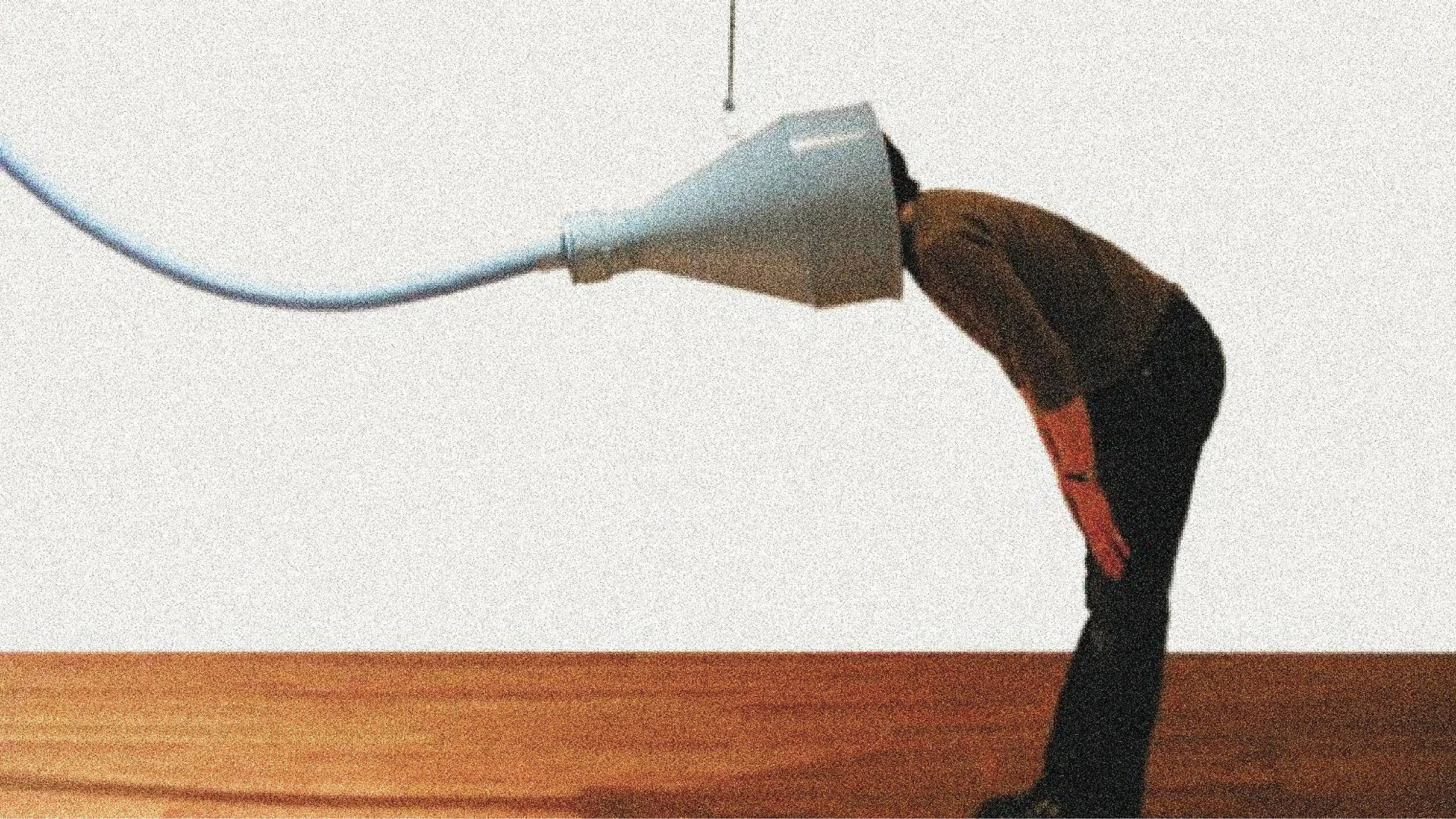
Snapshot of a work by Julianne Swartz: How Deep Is Your (2003)
Current Musings
This week, I started reading and compiling all the resources that I wanted to explore further. There were many keywords and things I was intrigued in researching deeper about for my topic, and it felt super exciting, yet overwhelming at the same time.
For context: My Figjam board. So many things!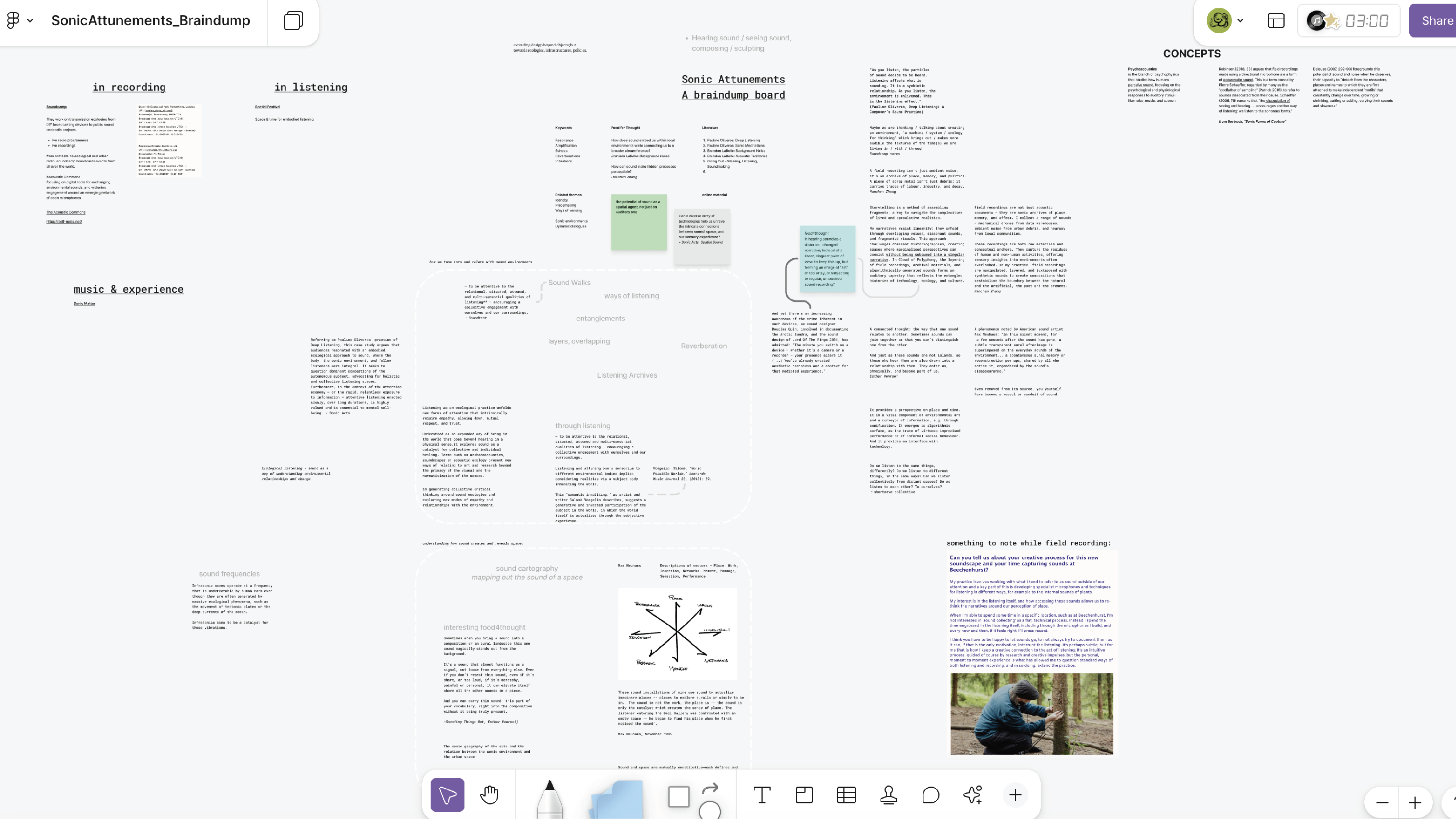
I created a Figjam board before the semester started, and dumped all the things that was relevant to my area of interest inside. Looking at it again, there were lots of things I wanted to explore. These are the things on my mind right now:
(1) Understanding Sound & Space
With earlier research, I understood that sound travels through spaces through vibrations. Hence, vibration and resonance operates as organizing forces in our daily environments; it is present all around in our daily lives. Thus, I was curious about the spaces we live in and pass through daily – do they each have their own “sonic signatures”? Meaning, acoustic qualities, a unique way of amplifying sound.
It felt little early to define a research question, but if I had to sum it up: I am interested in diving deeper into the idea of ways of sensing; being sonically attuned to our surroundings and the earth we live in.
What does it mean to be sonically attuned?
Wow big terms …
Google search because we all start somewhere
Recently, I read an article titled Sonic Architecture : Exploring the Relationship Between Spaces and Sound by Alican Inal, an architectural designer. He said that in order to understand sound fully as a design tool, it would help to visualize it first. The first step in that process is by creating a spectogram, which is essentially a computer-generated image that sets the pitch (y-axis), duration (x-axis) and loudness (colour intensity) of the audio signal in a space.
I tried creating my own spectogram with Reaper, a digital audio software I’ve been using to craft soundscapes. below are the outcomes, using an audio of birds chirping in the background.
Sound Visualisation Test: bird.mp3
With Reaper:
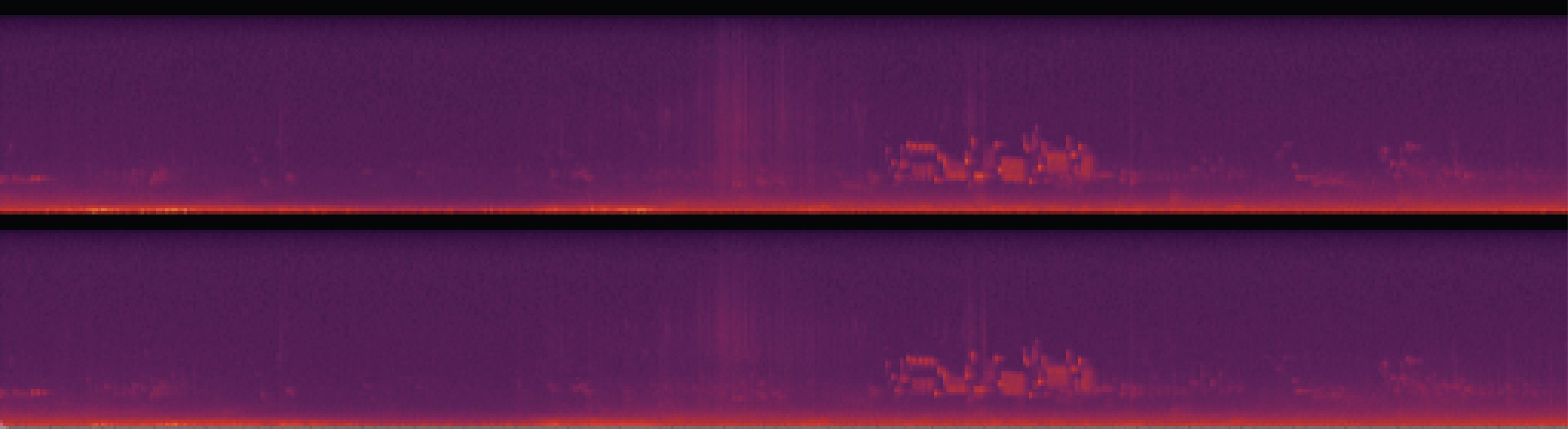
With online sound wave generator:

With a p5js sketch by Jon Froehlich
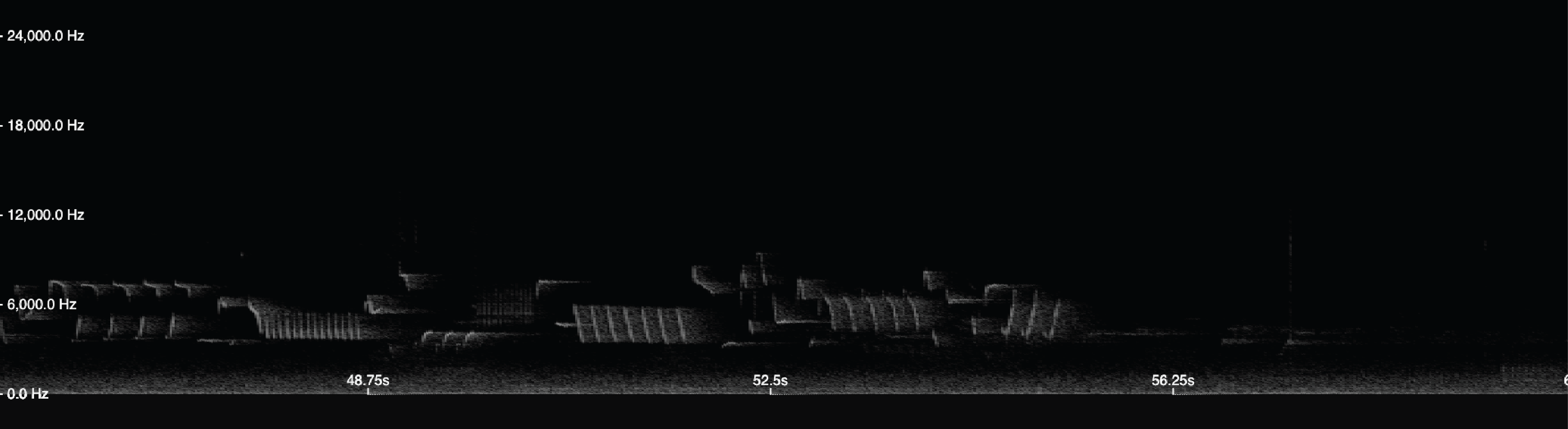
Pretty cool seeing soundwaves in visual form. I don’t really know what to do with this yet, but it might help me understand the concept of sound in space better. The way each application perceives the sound file is different, which is strange. Still, its nice to know that soundwaves are pretty inconsistent even when visualised - upkeeping to its name of being invisible and somewhat mysterious.
(2) Deep Listening
Deep listening, as conceived by the sound artist Pauline Oliveros, involves “cultivating a quality of attention that's both focused and expansive - listening not just to sounds but to the spaces between sounds, to the acoustic environment as a living system, and to one's own internal responses to what's heard.”
(Deep Listening: A Composer’s Sound Practice)
Essentially, it means tuning the mind and the body to appreciate sounds on a deeper level.
To go beyond hearing, giving attention to the full meaning and emotions behind what is heard.
When I first heard about the concept of Deep Listening, I felt a little guilty. Spending day to day simply hearing, but not exactly empathising or focusing on what I was listening to, was something I did quite often. I noticed that I only paid more attention to things I found more relatable or much more important.
But was I really connecting to my surroundings this way? How can I practice attentivity, to understand the art of pausing in today’s era of fast-paced life? Especially as a Gen Z surrounded by screens, living as a digital native in crowded Singapore, this can be quite difficult to do. Could my project turn in this direction, to encourage others to do the same?
Typing this out, everything feels quite philosophical now. Uh oh.
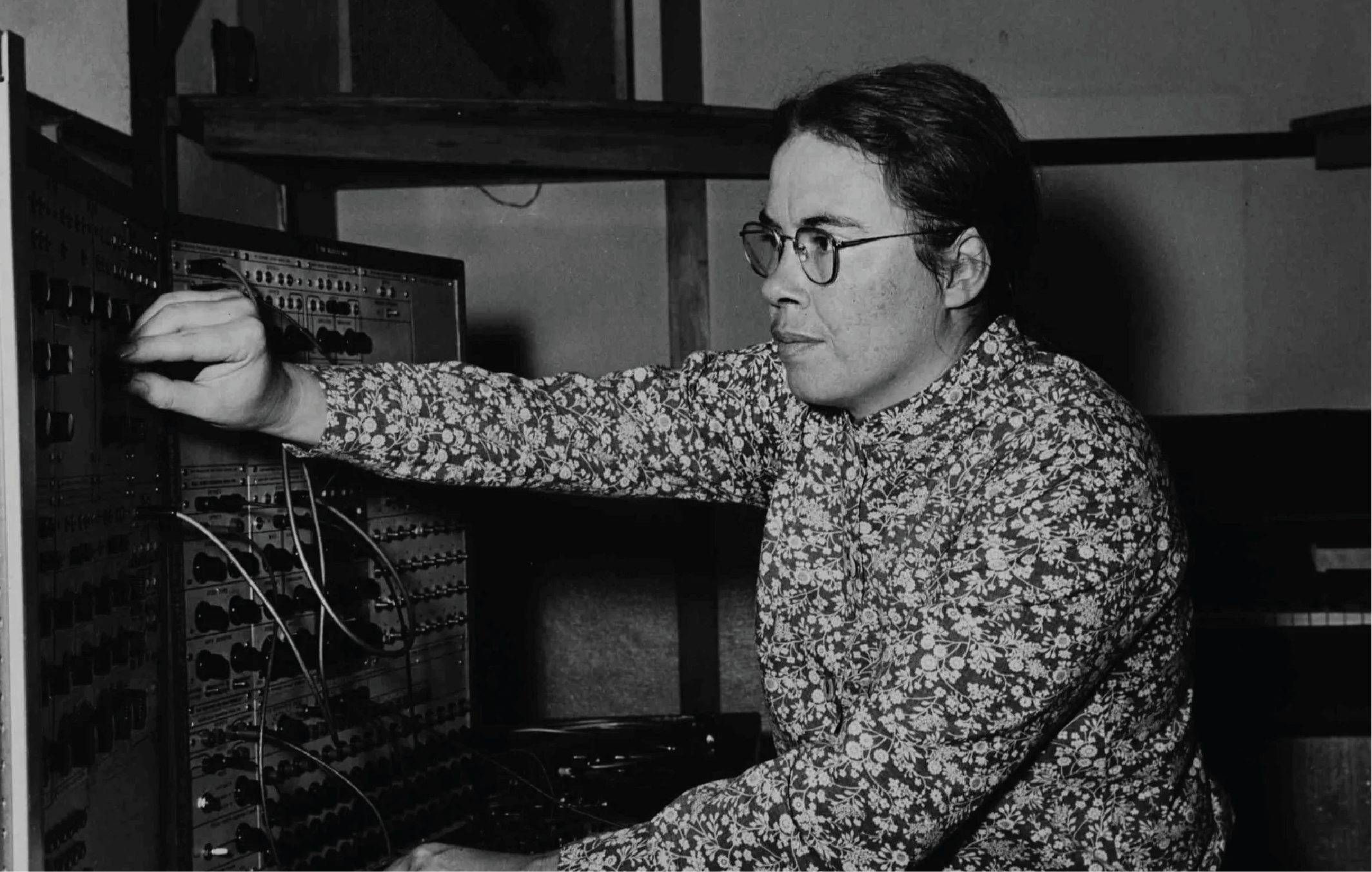
The legend, Pauline Oliveros
Individual Presentations
Research aside, Andreas kickstarted the semester with some tips for our upcoming presentations, where we’re supposed to share our chosen topic with the atelier. He advised us to keep it concise and to the point. Whether our topic felt vague or broad at this stage didn’t matter; it was meant to push us into a starting stage to start our project. I was also super curious to know what my atelier mates were doing, so it was exciting to carry out this presentation.
We should include:
General design readings
Have an overall vibe: Towards a fun or focused direction?
References are appreciated! It doesn't have to be design-focused, it could also include public art, installations etc.
Onwards to a good project semester ahead! Andreas also emphasized on iteration in the process; being consistent with experimentation (and of course reading) will get us further. As stressed: “Being an expert is better than being someone who has tried a lot of stuff.” At the same time, we were assured that we could try everything we wanted to do for semester one, before narrowing down on an area of focus in semester two. Fun!
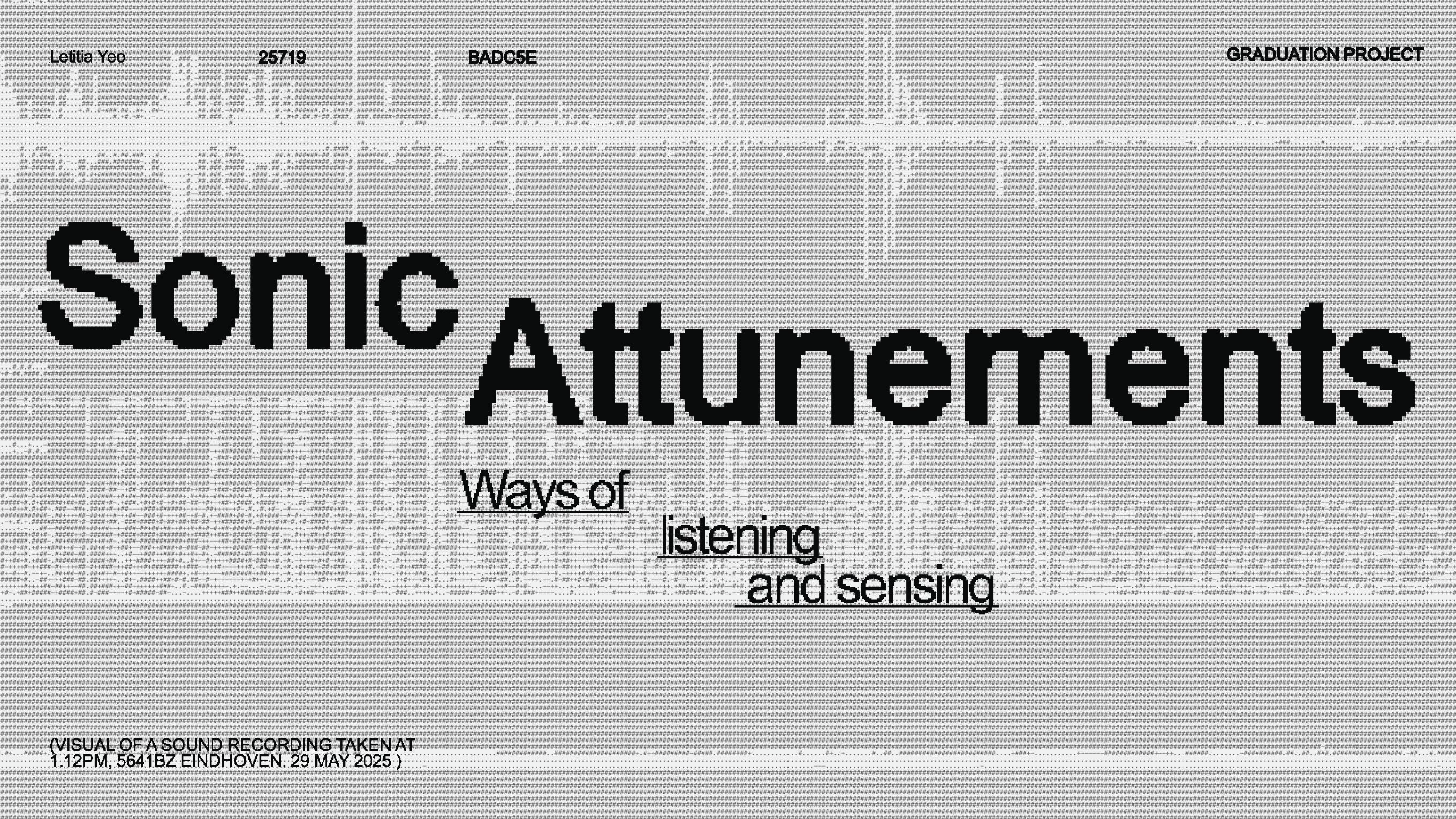
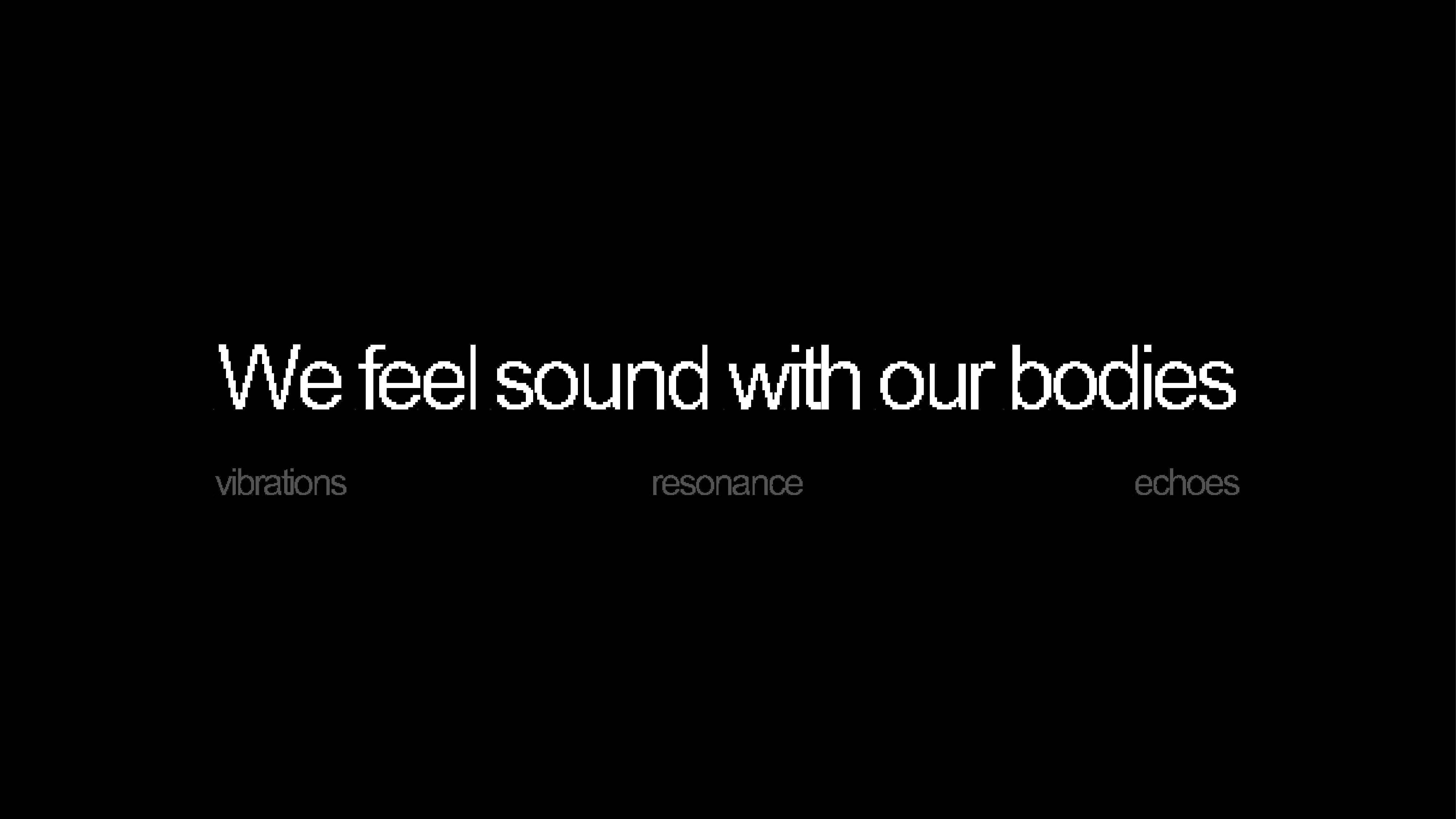
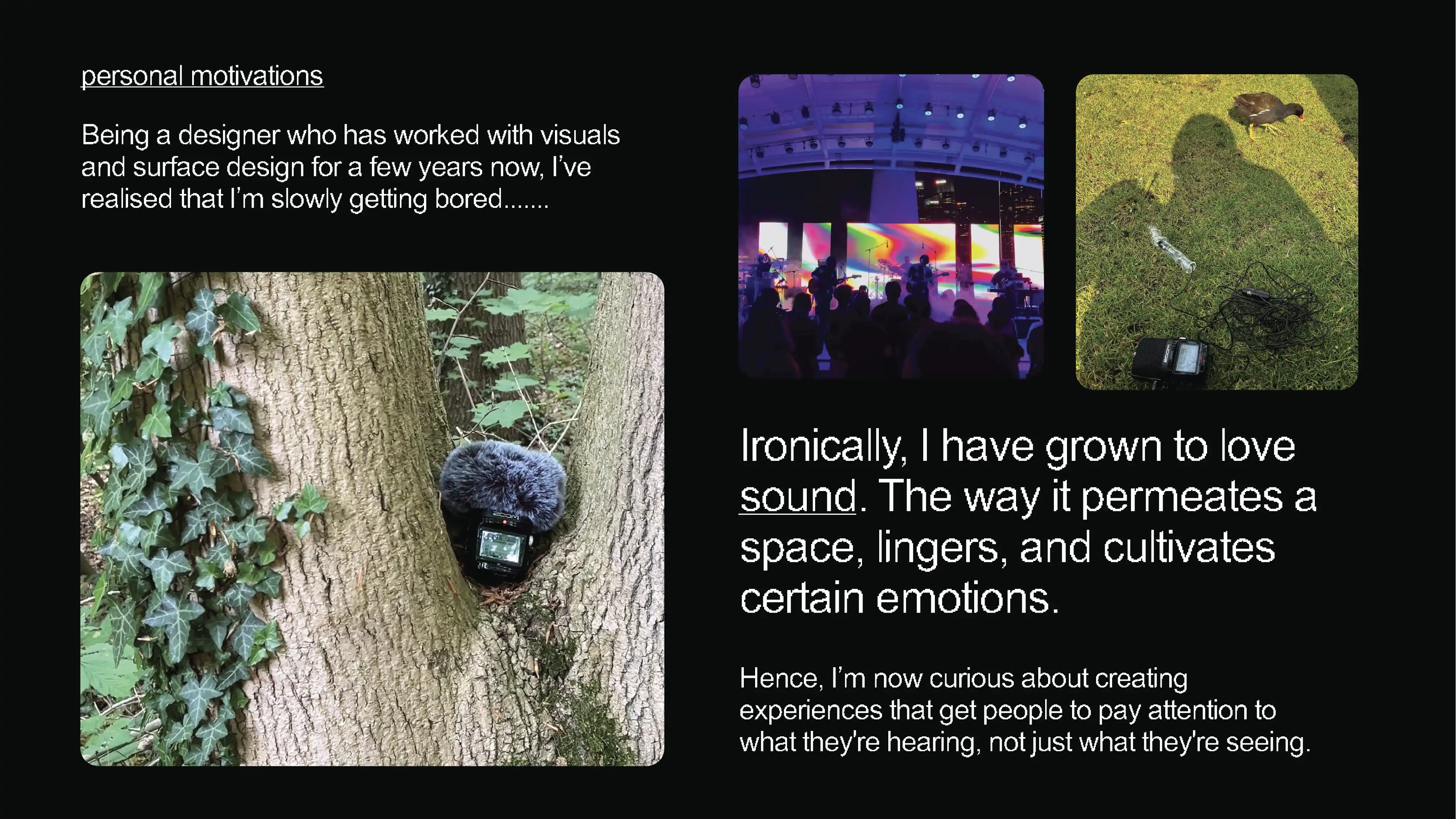
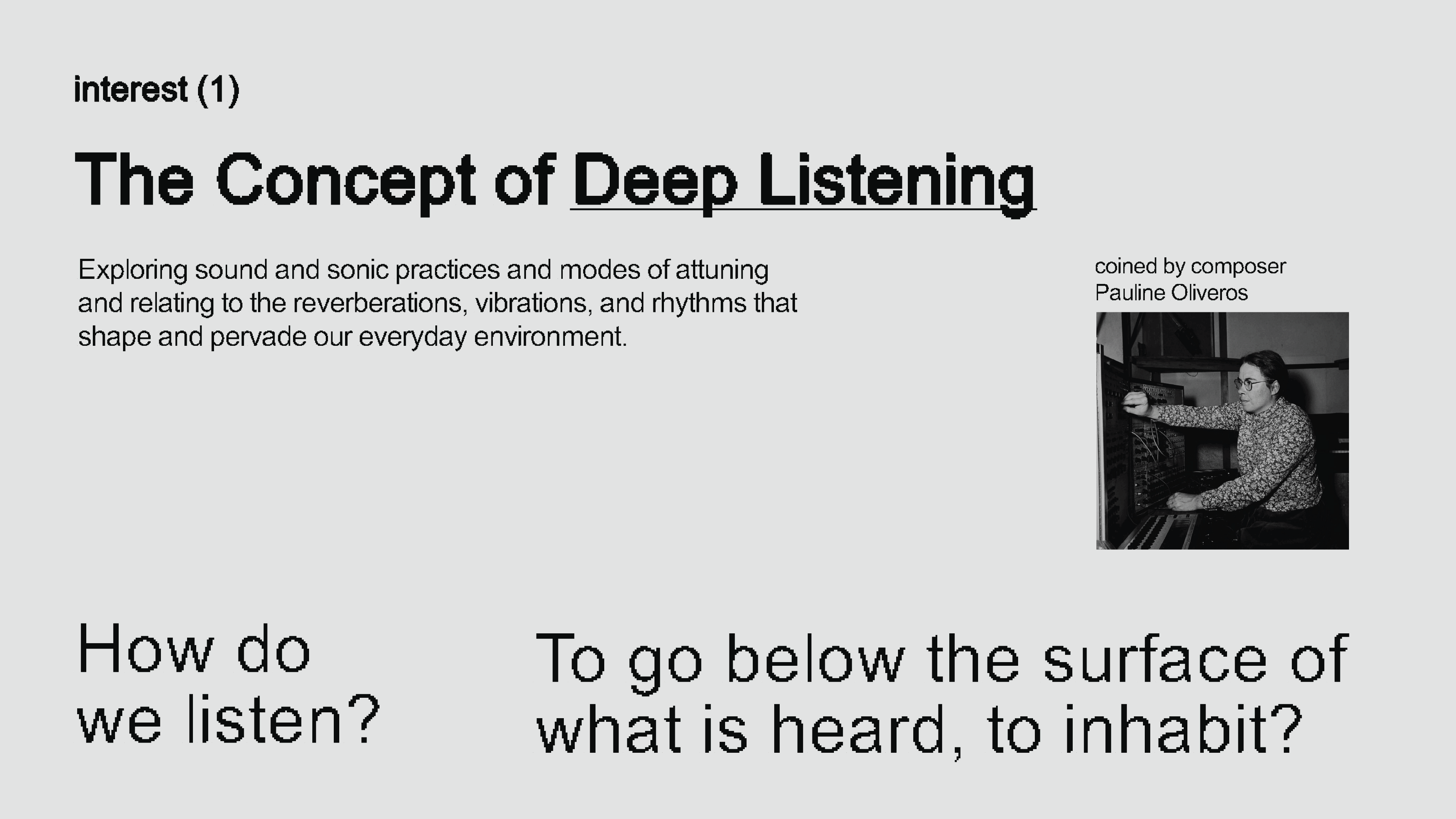
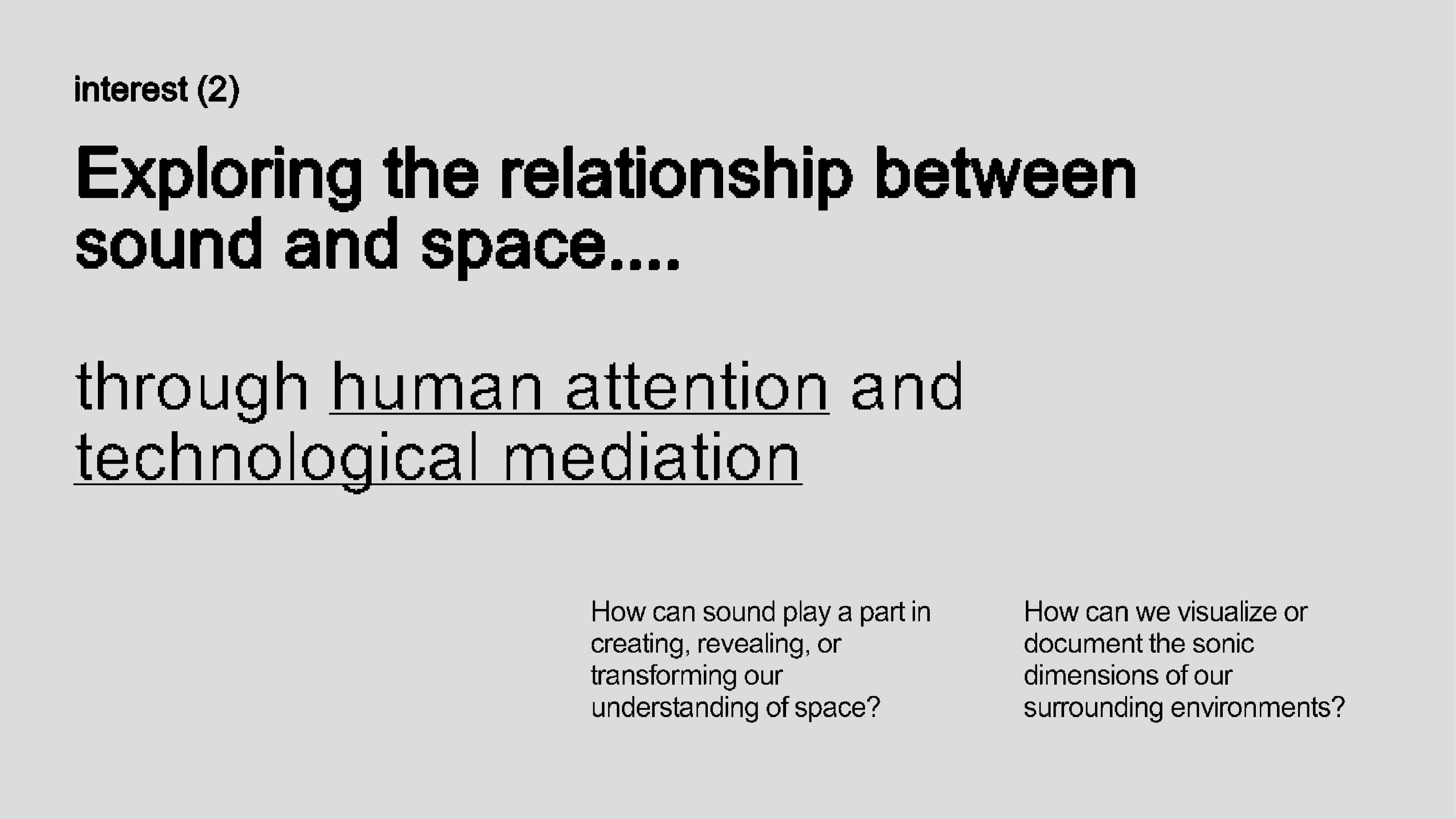
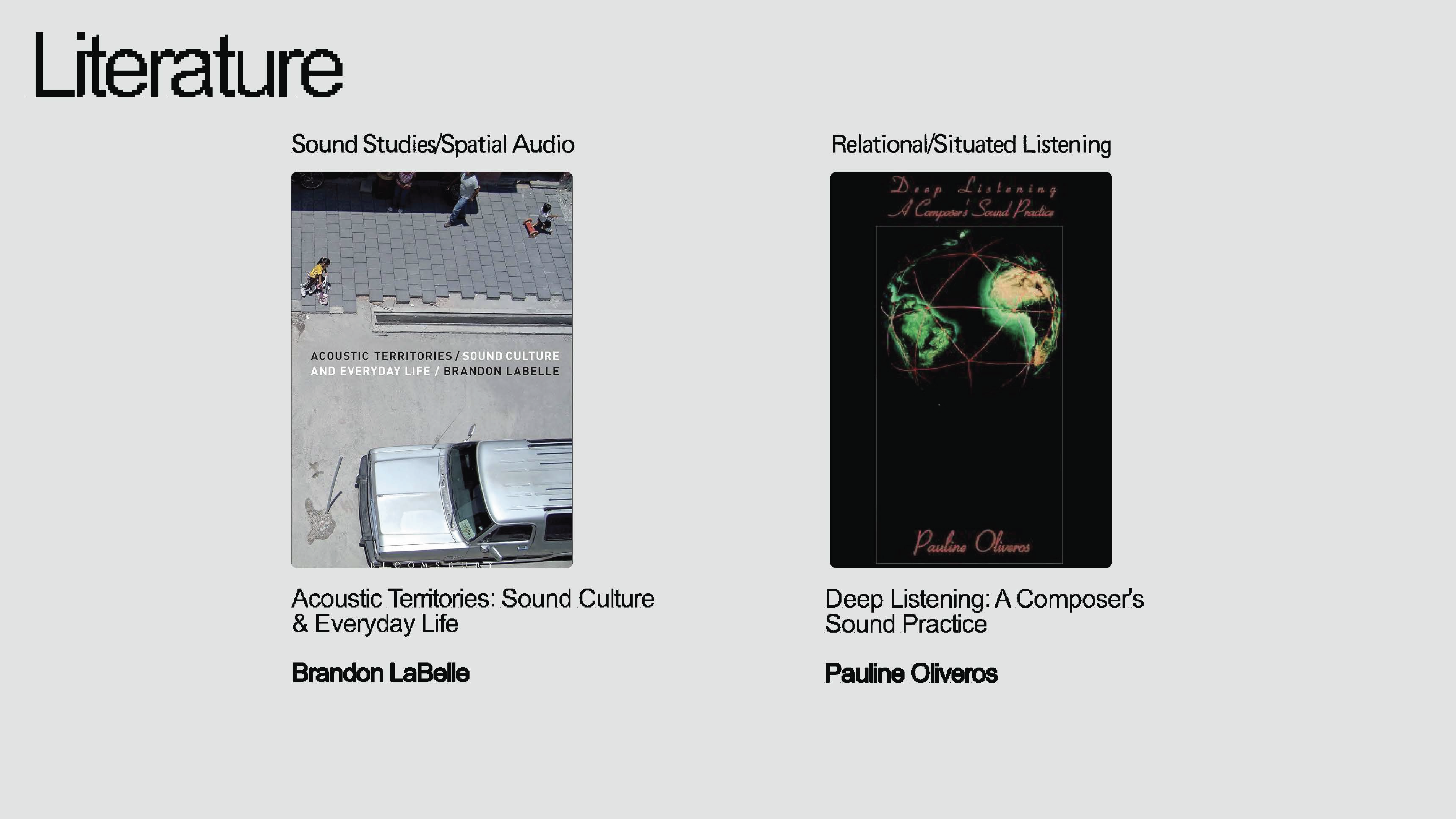
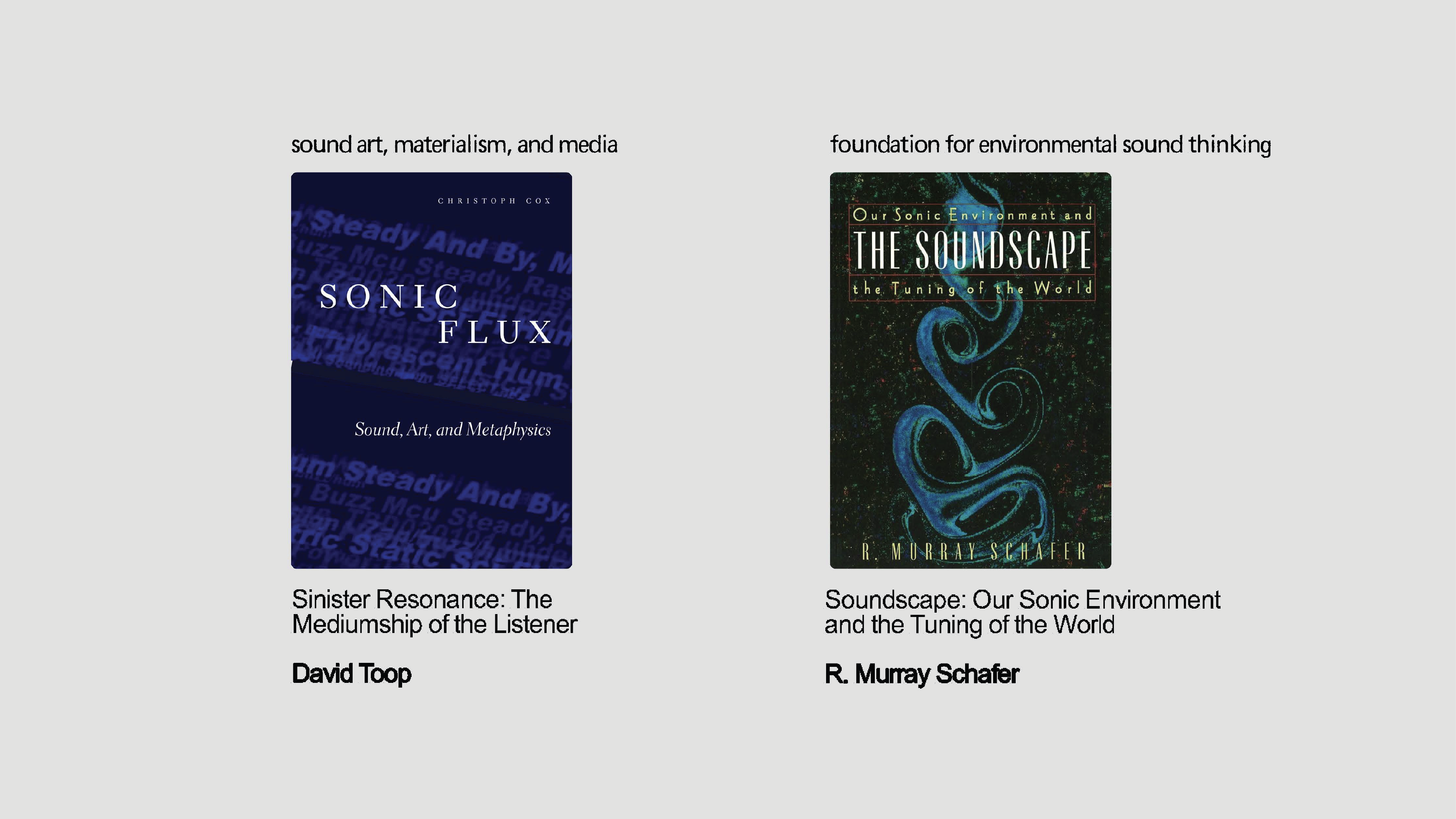
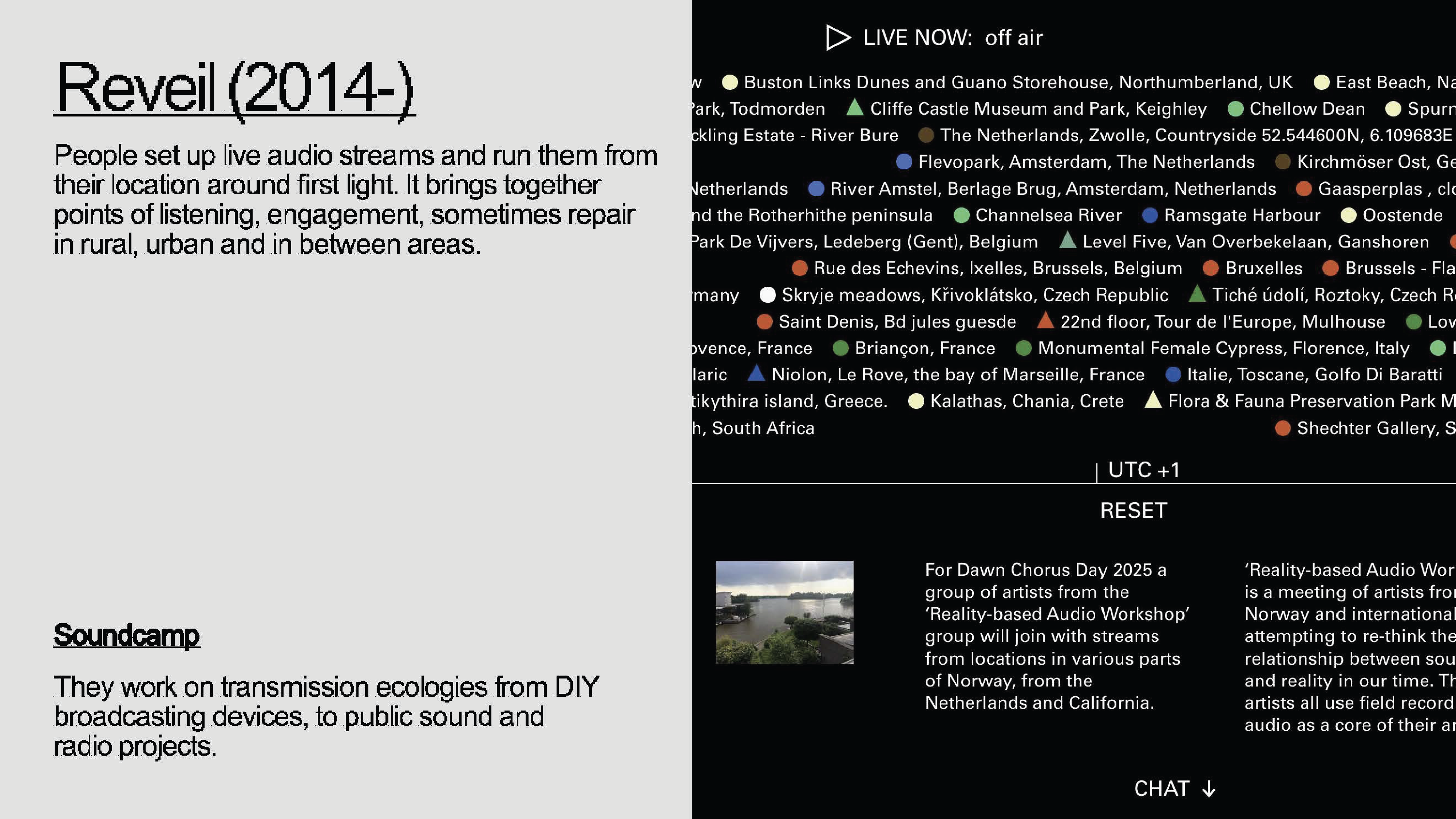
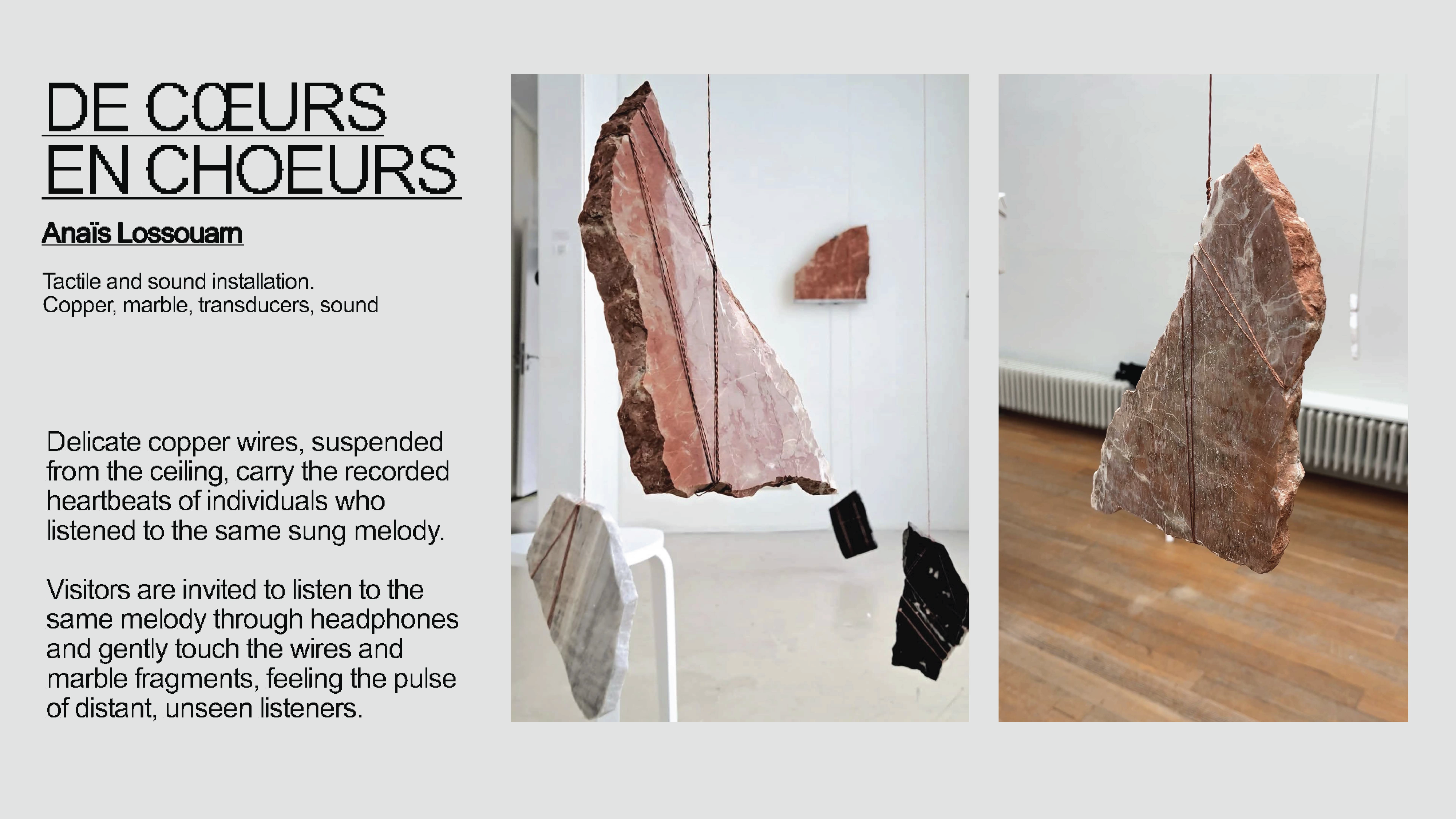
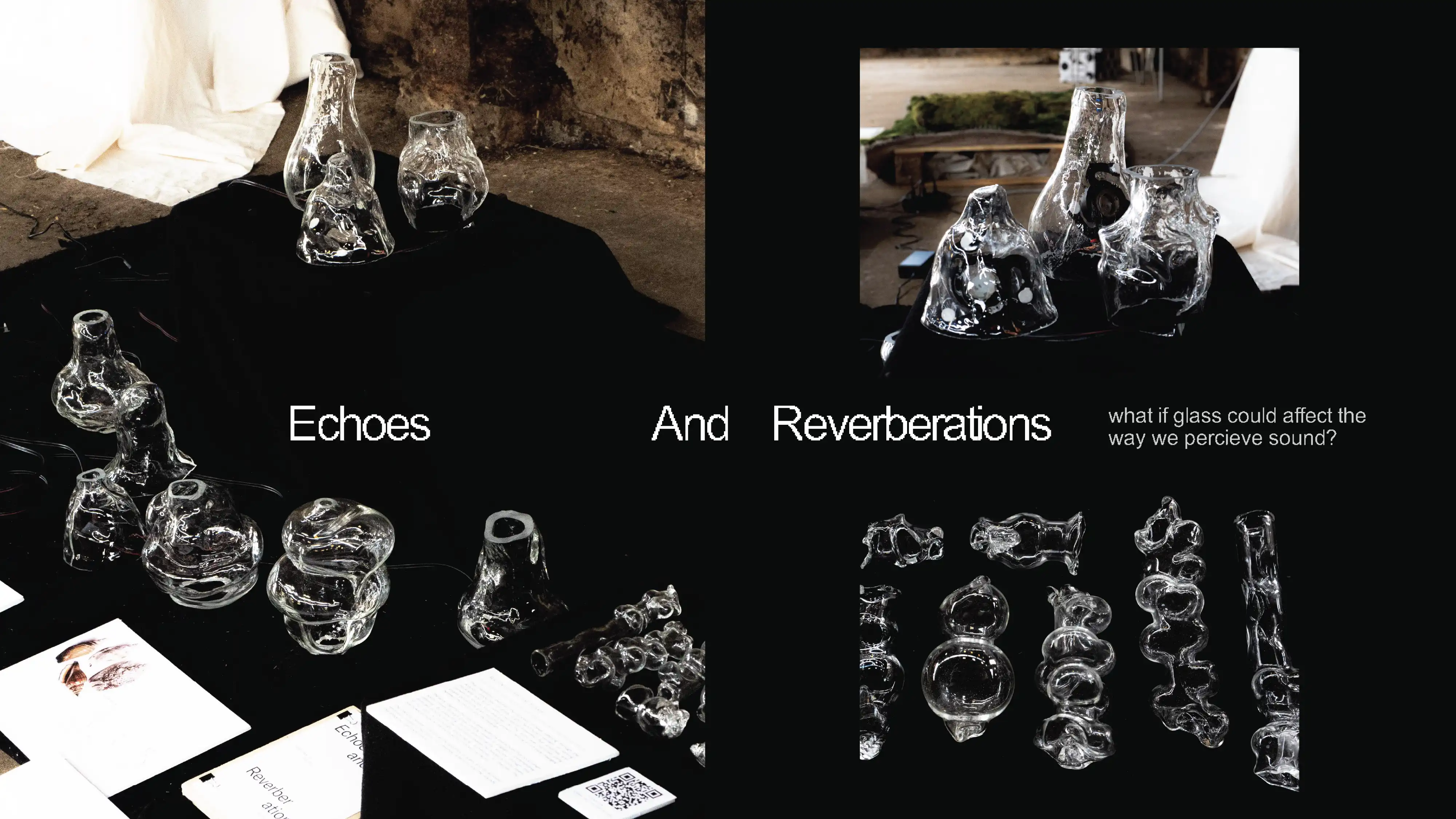
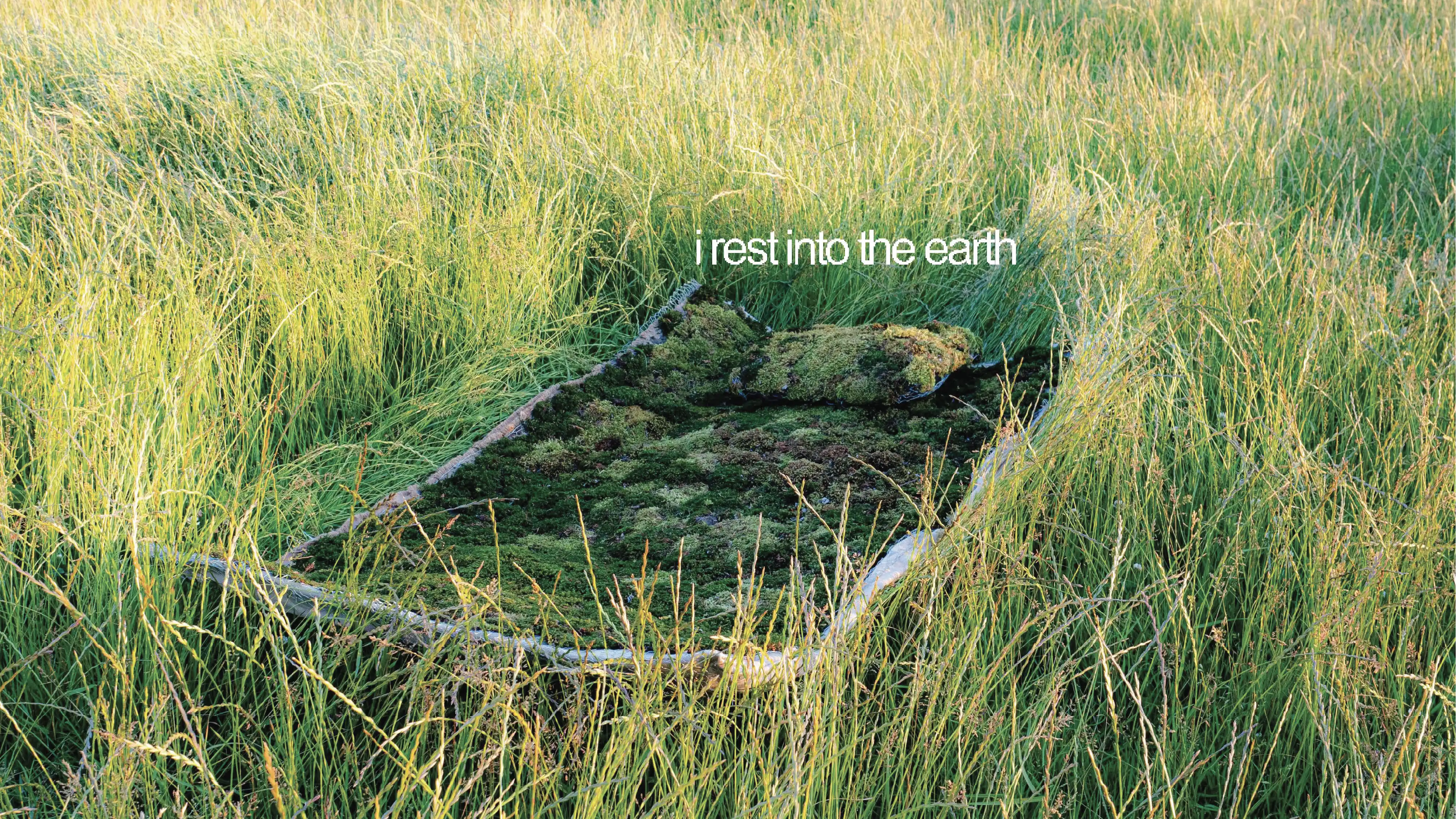
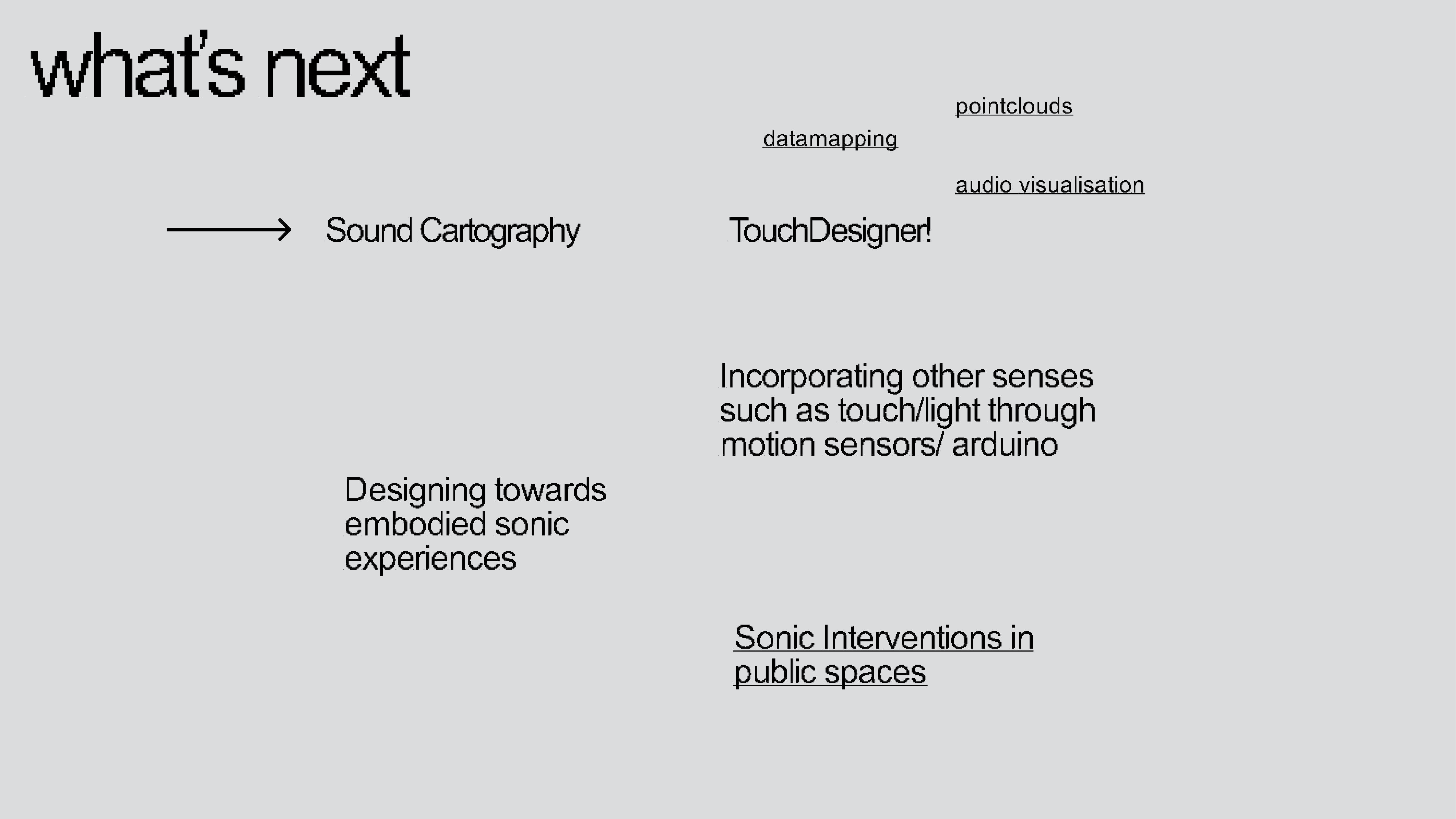
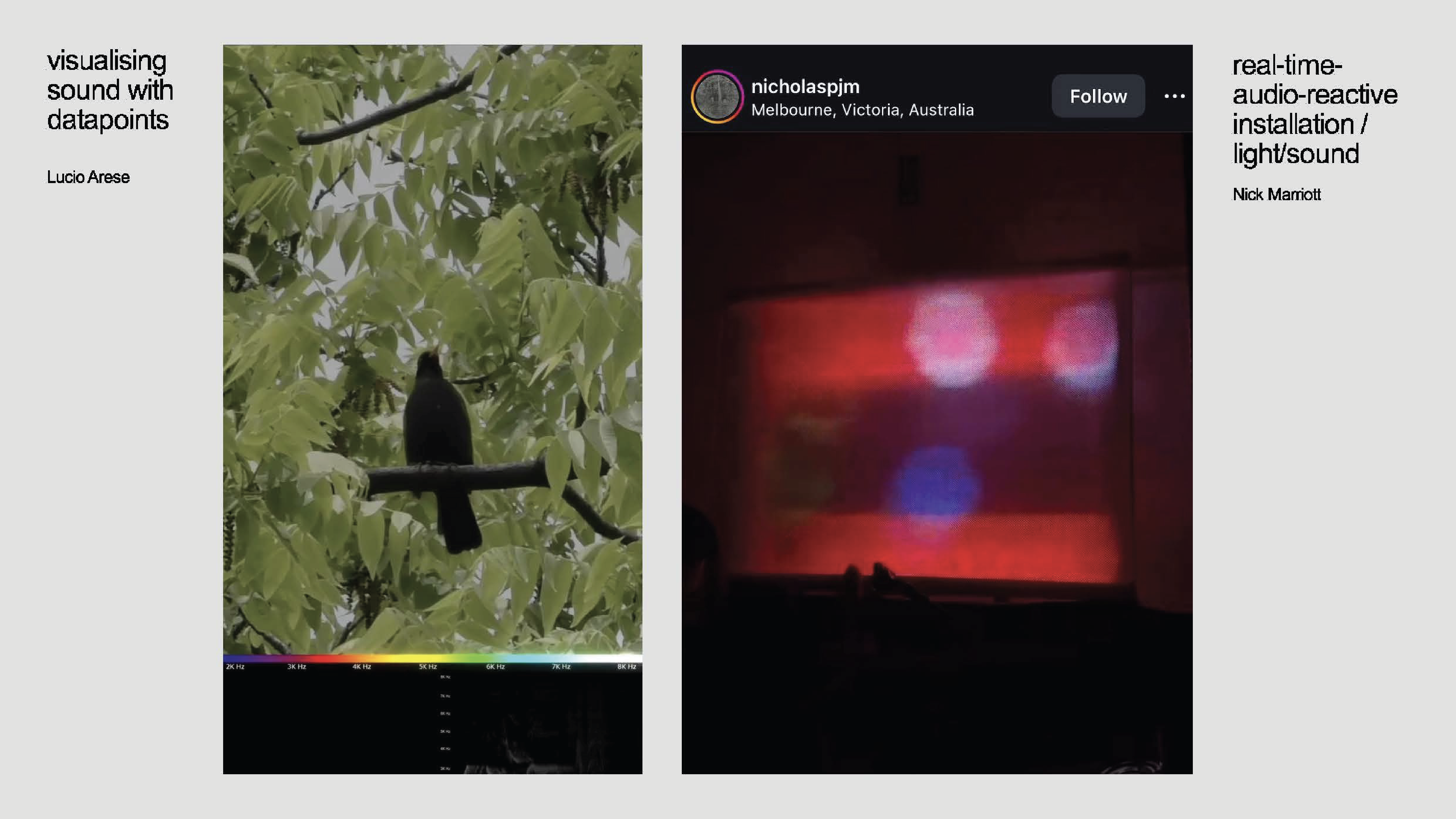
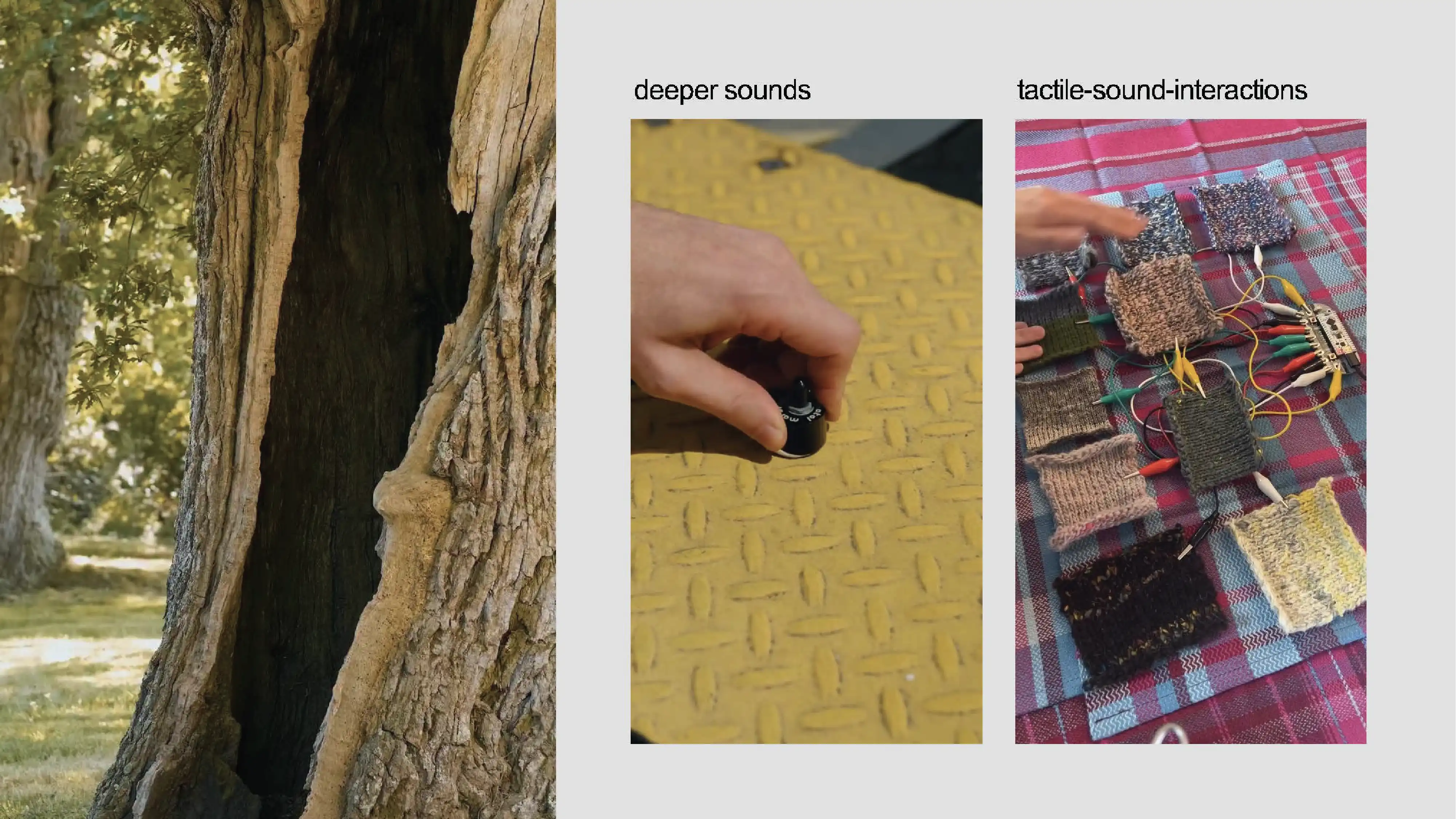
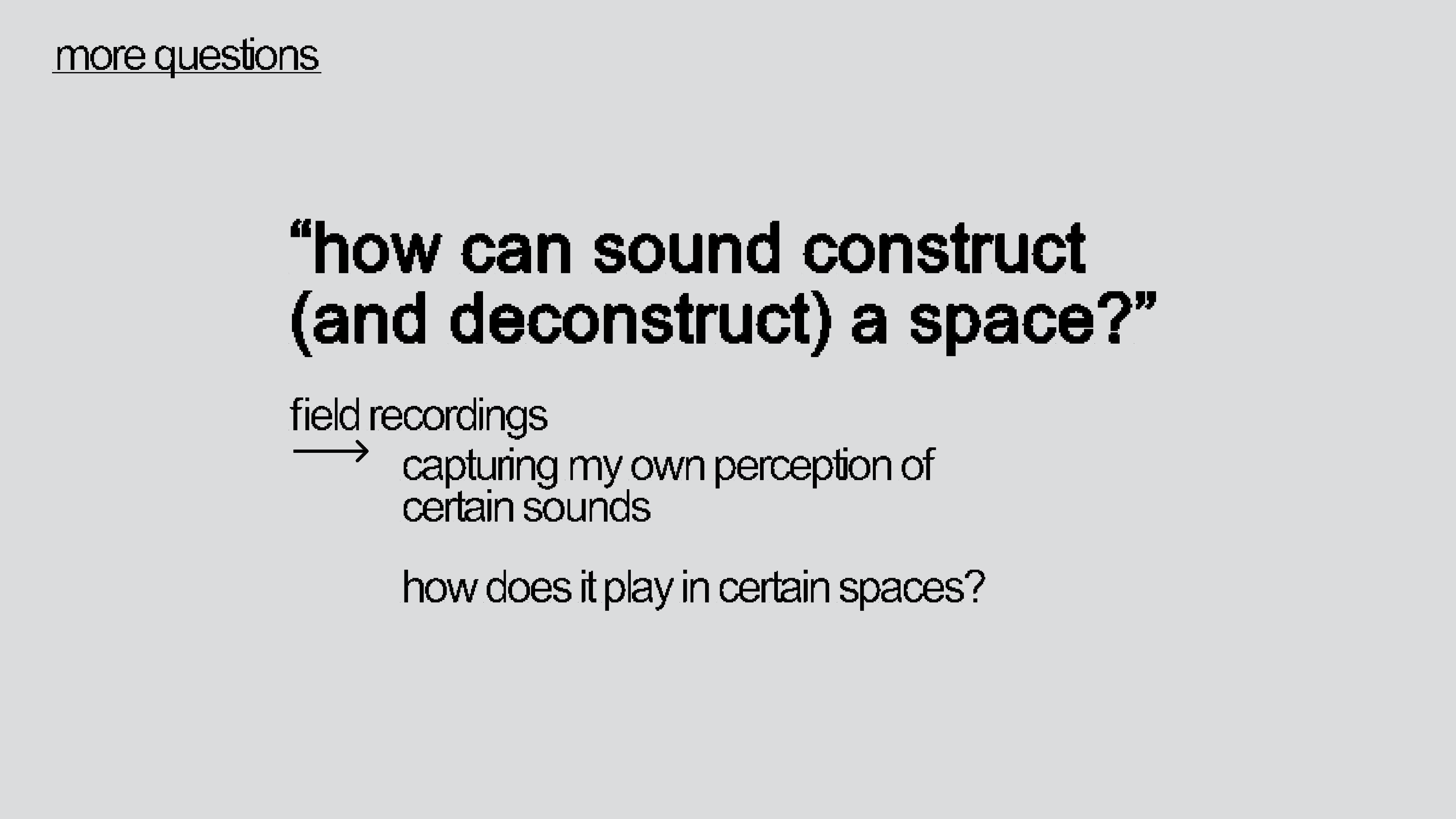
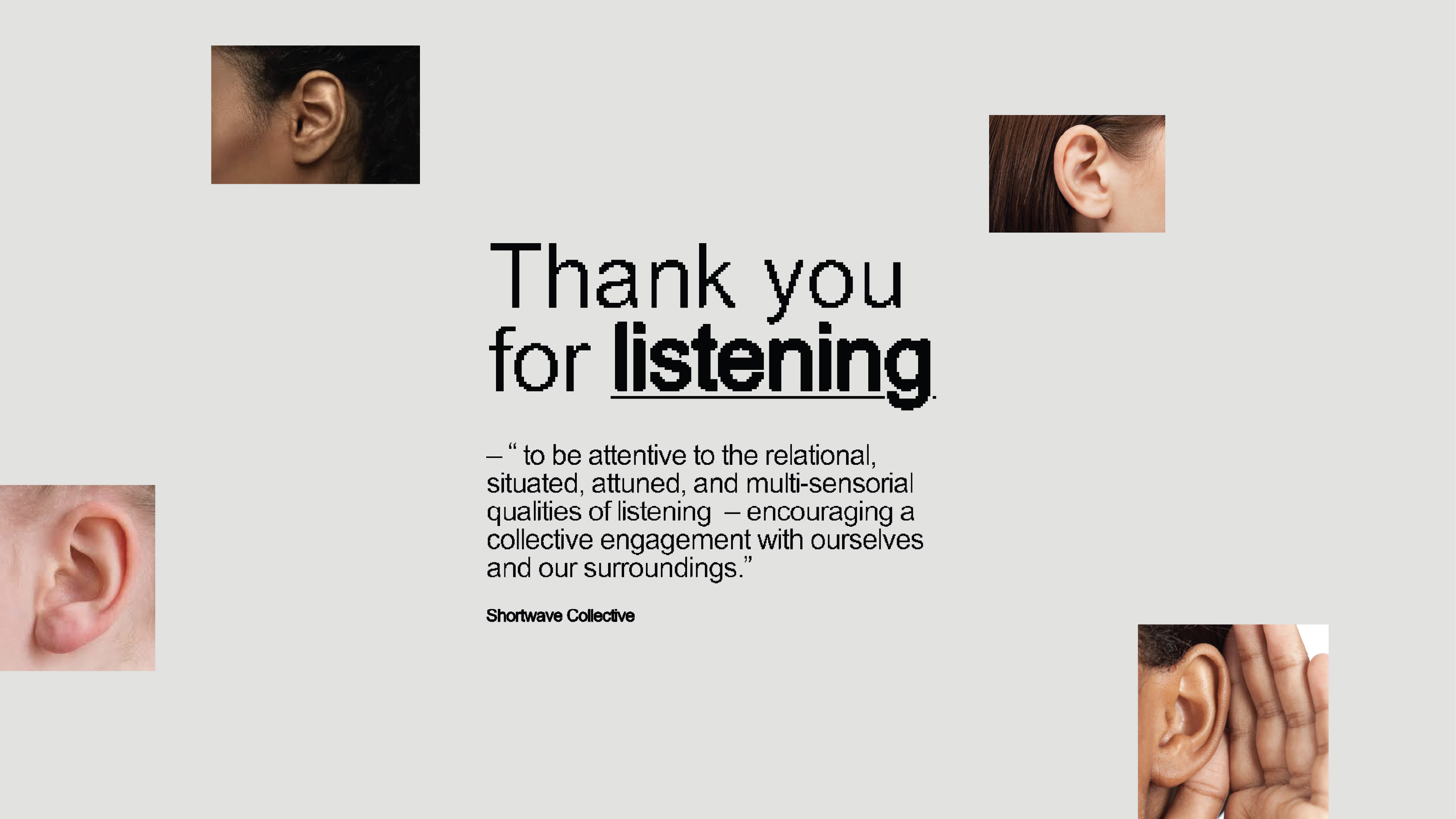
Snapshots of my slides
A Little Reflection
Presentation went relatively well. It was interesting seeing what my atelier mates were doing for their projects; ranging from overreliance on AI, to embracing imperfection in making and code, and algorithmic identities. It was a pretty diverse range of topics, and I’m looking forward to seeing everyone’s project development as time goes by.
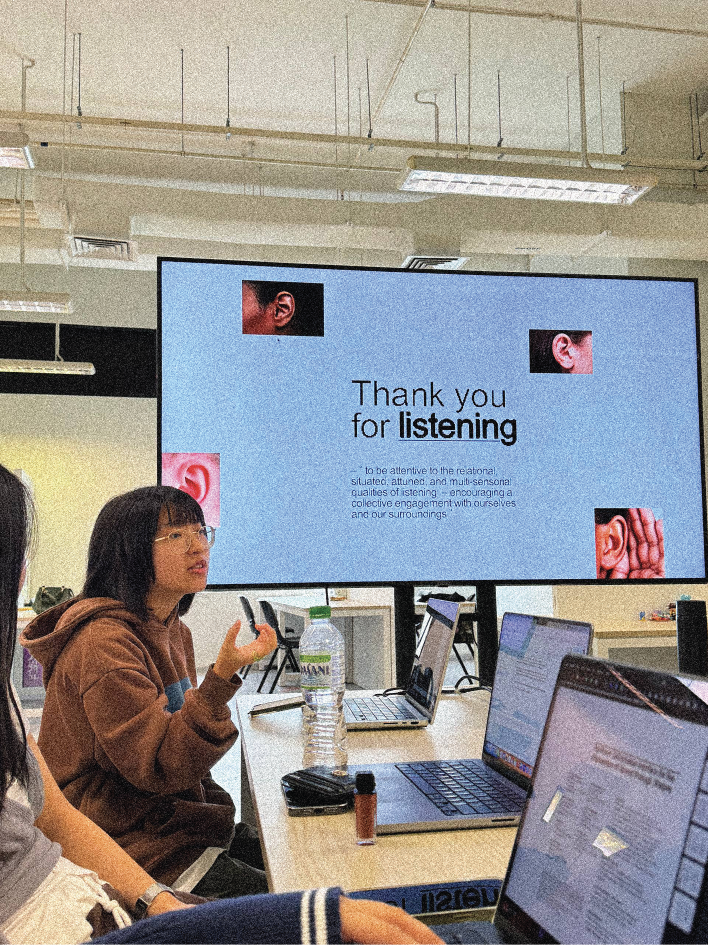
Its a me! Bad posture though
Andreas commented that the idea of Sonic Attunements felt a little far away from the traditional design practice we all know. Which could stem as a good opportunity to look at the way design has changed and is changing with practice. He also remarked that there was a big change with the way I approached design before and after my time in exchange, which I honestly don’t really know what to feel about haha. Still, he encouraged me that with sound, it could inform my design practice. Or it could not, and that’s fine.
Essentially, it means tuning the mind and the body to appreciate sounds on a deeper level.
To go beyond hearing, giving attention to the full meaning behind what is heard.
Going towards a more experimental approach could be good with regards to developing more experience in my design practice – and with my topic, sound has a lot of potential in design. I could make use of frequencies, digging deeper into the relationship between sound and space. The approach doesn’t have to be design-focused; it could even be sculptural, spatial, and done beyond the classroom. Eventually, I would have to close the loop somehow to bring it all back to design, since we are after all, in a design communication course. All in all, he supported the idea of sonic interventions in public spaces, which is something I will look into in the weeks to come.
General Thoughts
There were some lapses among the presentations - with some being quite clear, and others being too broad or tough to comprehend. There were rooms for improvement which Andreas highlighted:
(1)
Its important to visualise our ideas using diagrams and frameworks - many people are visual - oriented so displaying ideas in this way is great for better understanding.
(2)
Making is key!
First, make and practice. Then, have theory and discourse inform the making. Its also crucial to anchor our work in design, looking through the lenses of design and not any other lens.
(3)
Iterate, give our ideas the chance to evolve, develop and grow.
This is great for the first semester. But by the time the second semester rolls around, we’ll need to narrow it down further and focus on one central idea
.
A key piece of feedback was to balance Western references with Eastern perspectives. Asian influences and practices bring different knowledge and wisdoms that could support our research - it’ll be nice to include more of them in our research.
→ Useful Resources!
• Brian O'Reilly is a senior lecturer in electronic music at Lasalle. Andreas told us he (might) bring him in for a talk if we are interested!
• NIME Conference - New Interfaces For Music Expression