Why? Design Academy Eindhoven, June 2025.
Little Thoughts & Holiday Reflections
Having spent the previous semester abroad in the Netherlands, I needed to start cracking at my interests for graduation project. (Not so) unexpectedly, I found myself going towards an interest I’ve had past few months now: The subject of sound, and the way we experience it. I guess as someone who’s worked mainly on digital stuff and done a lot screen-based work, doing something vision-focused simply doesn’t cut it for me anymore. I wanted to do something that felt more personal to me, more raw, something that can be felt, not just seen.
The concept of sound has been quietly evolving in my head, revealing itself in my projects, research, and creative practice. Its so simple, yet so diverse. How do we experience it? How much of it is felt? How do we think and connect more deeply with a space through sound as a medium? Also a little corny, but my interest in sound partly came from my own music gig experiences — standing in venues where the bass shakes the ground and just for a moment, sound feels tangible. At that volume, the music isn’t just heard, but felt throughout the body in vibrations. Every now and then, I would think about this feeling and wonder if we feel it subconsciously everyday in our daily surroundings.
-
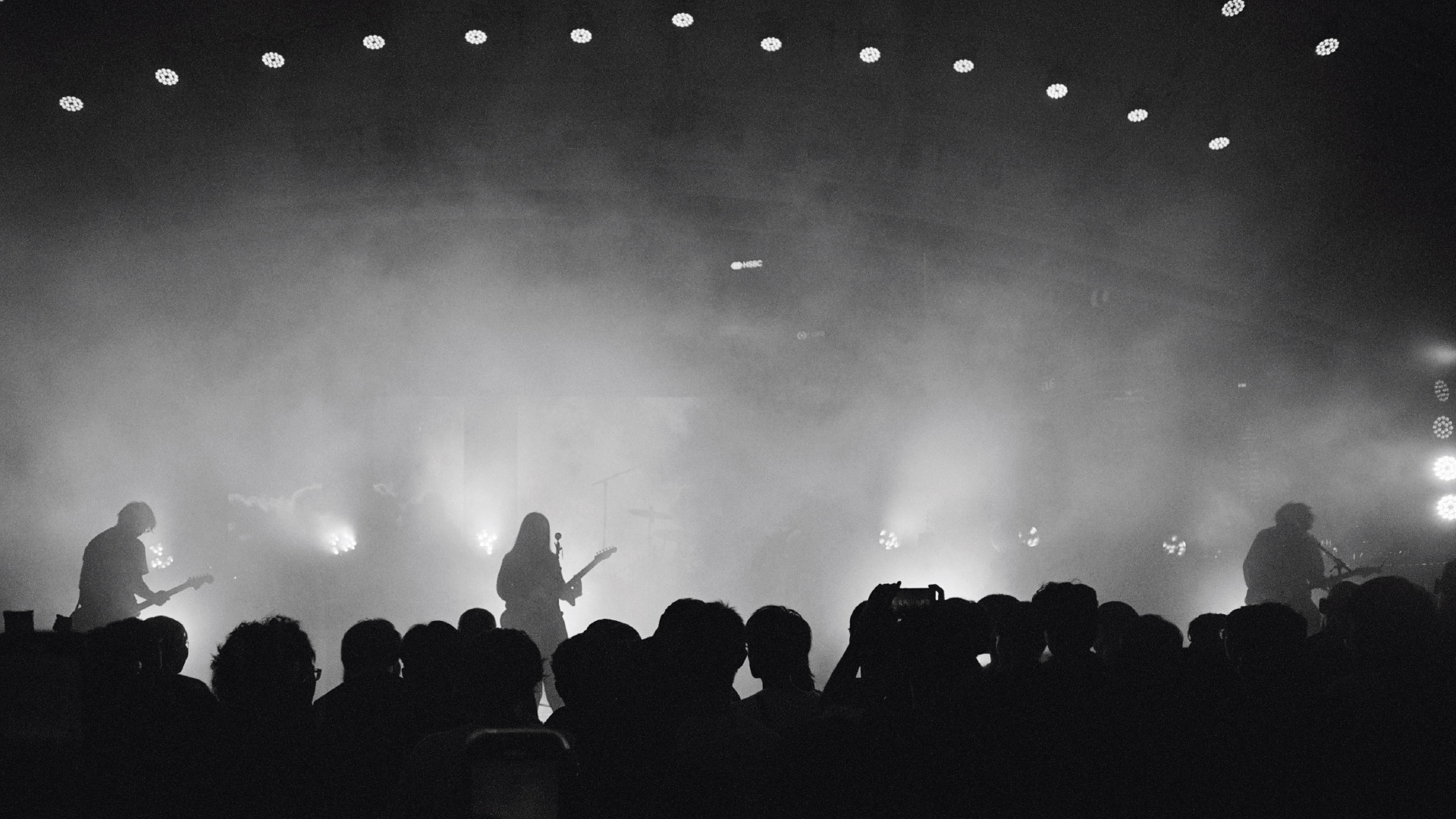
Baybeats 2024
Remembering what started it all
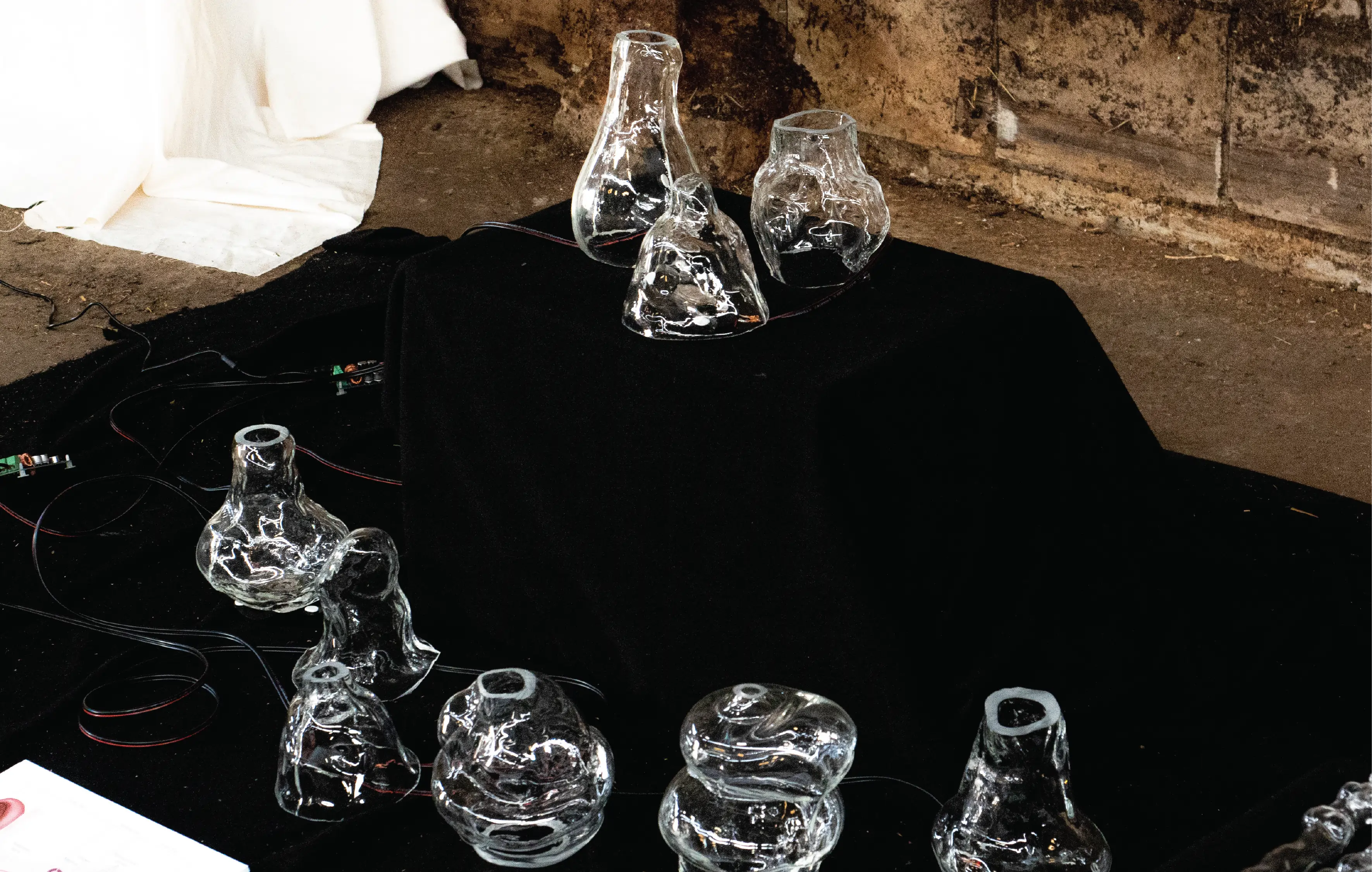
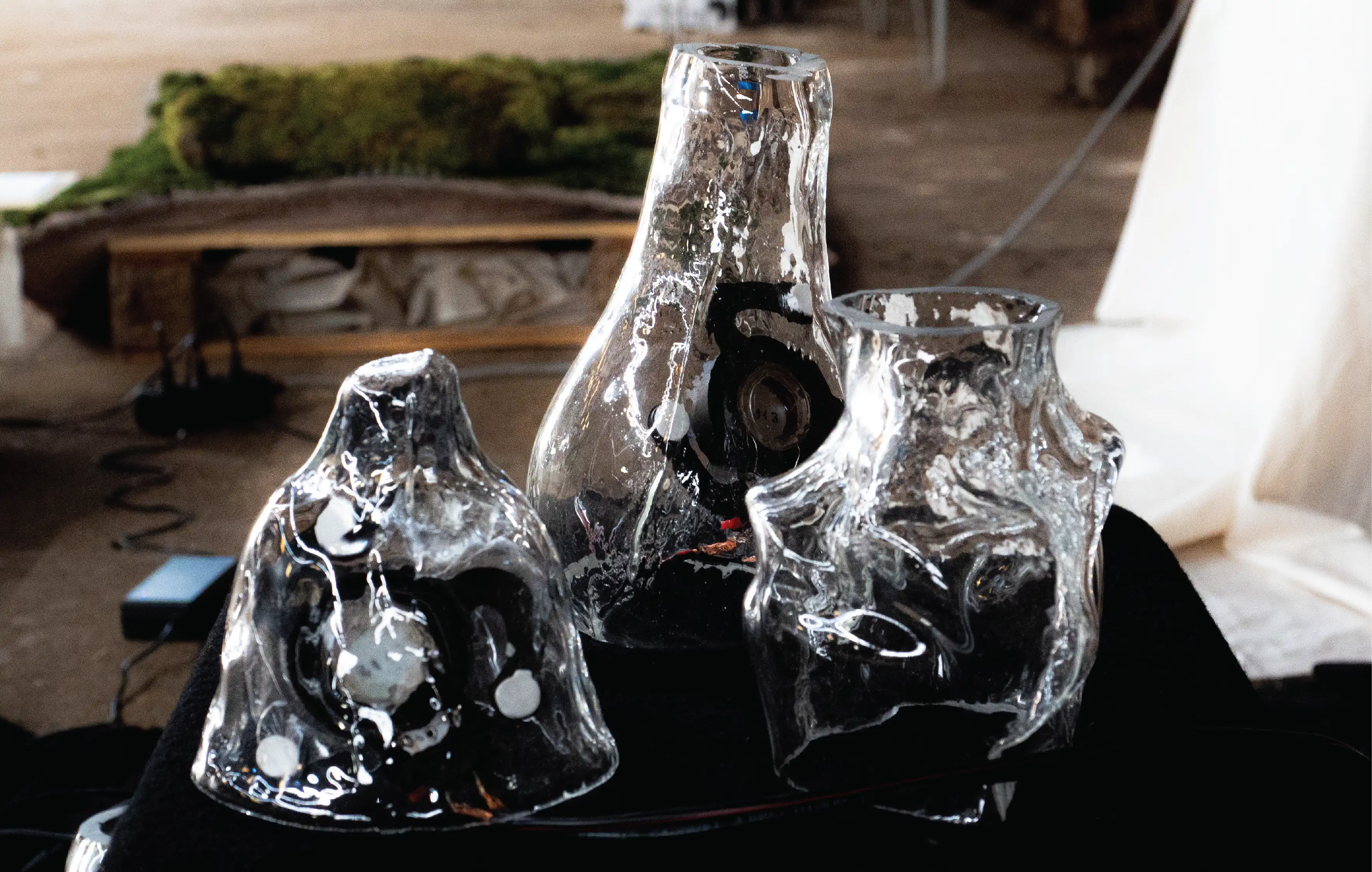
Revisiting a work I did during my exchange, titled Reverberations & Echoes at Design Academy Eindhoven, I managed to dip my toes into this broad topic, exploring what happens when I take a step back to record the world around me. The brief was to do anything with glass as a material, so I used the chance to utilize glass as a vessel for sound. Throughout the project, I made tiny glass vessels to act as “hollowed channels” to record sounds of the city with.
By channeling these collected sounds through larger glass vessels of different thicknesses and lengths, it unveiled hollowed, distorted sounds as a result of glass and sound mixed together. Despite the learning curve, I found the process exciting as I could distort sound in a natural way.
This exploration sparked a deeper question for me: Beyond these initial experiments with material and sound, what other aspects of sound as a medium remain to be discovered?
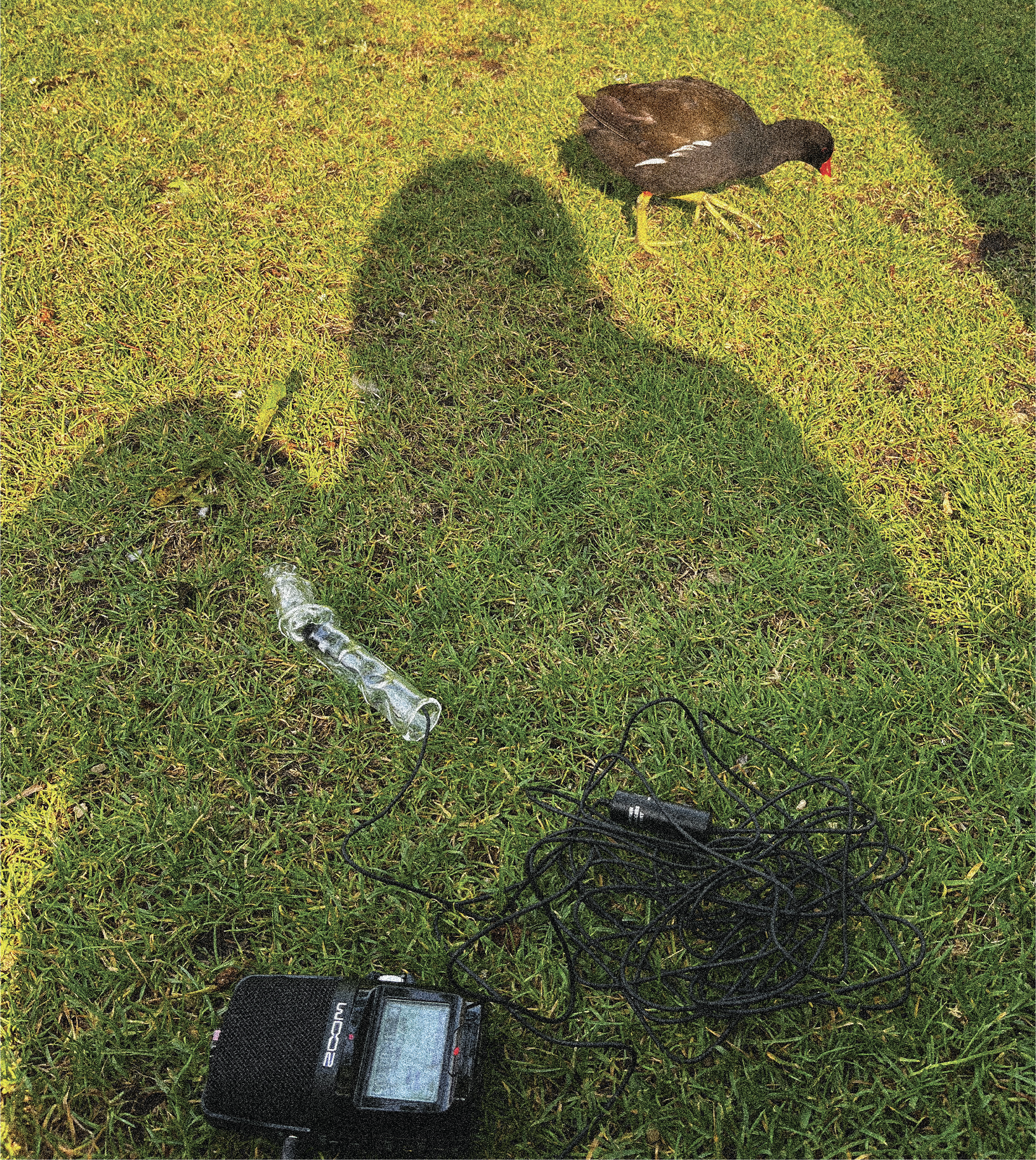
Recording sounds through a glass vessel
I also started thinking about sound in a different manner after reading materials from a seminar titled “Sound Ecologies” by the Institute of Postnatural Studies.
“Sound ecology is the entanglement between the multiscalar and cosmic possibilities of exploring the noises, songs, voices, cracks, echoes, silences, and the crashes of our planet and immense Universe. Sound does not only happen outside our ears but also deep within our internal and biological human experience.”
Led by Yuri Tuma, a Brazilian multidisciplinary artist based in Madrid, this seminar talked about the idea of being constantly transformed, both mentally and physically, by the sonic and cultural vibrations of our urban and natural environments. Yet, these intricate connections to our environment goes unnoticed in a vision-dominated world. Thinking about this, it felt strangely interesting and really… new.
I’ve never thought about sound this way before. To recognize sound as vibrations that constantly passes through our bodies and environments at every moment, reveals an invisible interconnectedness between us and our spaces.
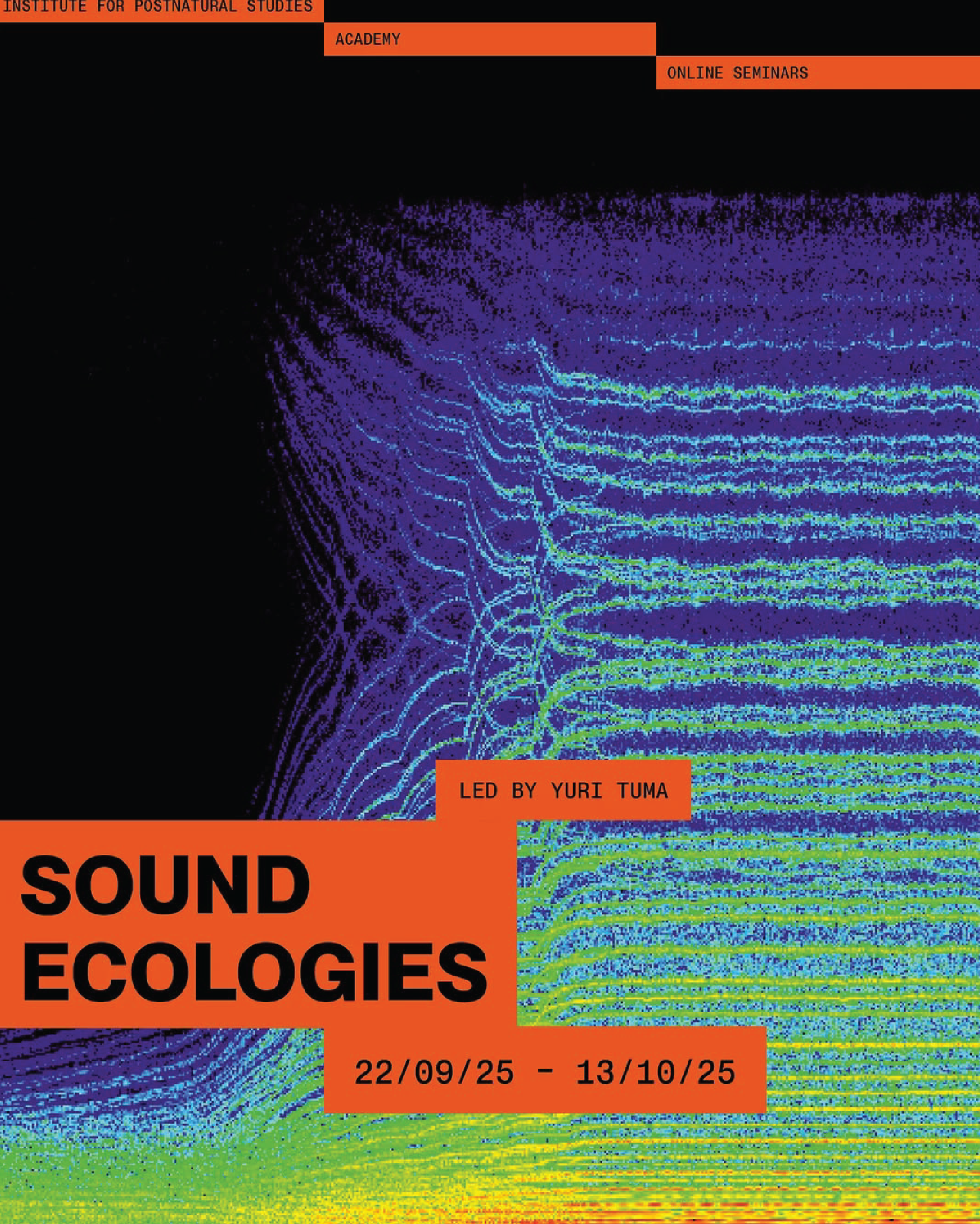
Sound Ecologies Seminar
-> Reveil
Also run by Soundcamp, Reveil (2014—) is a collective production by streamers at listening points around the earth. The broadcast runs 24 hours, connecting streamers everywhere from various locations and situations.
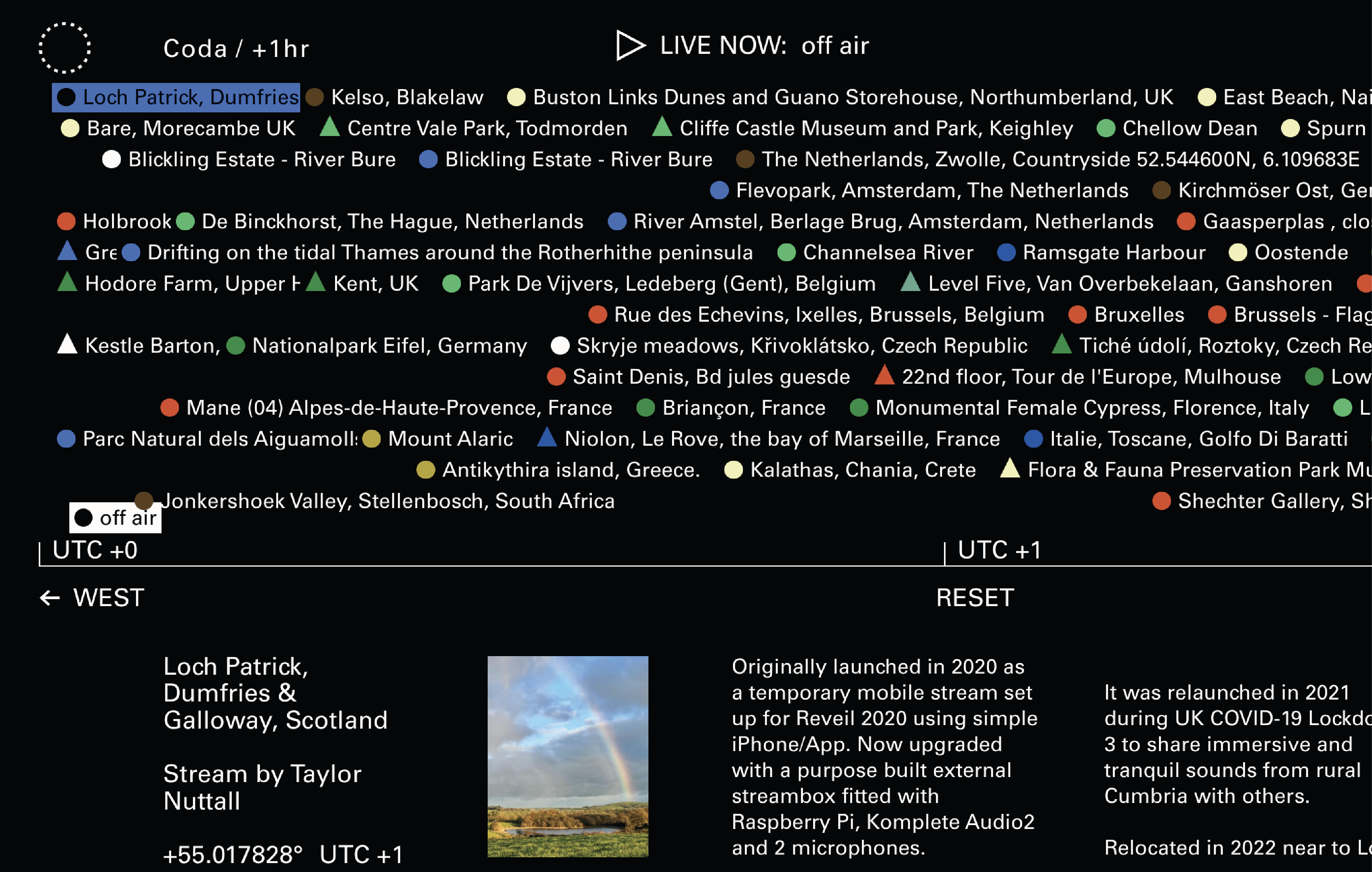
Snapshot of Reveil’s website
I attended one of their workshops during my time in the Netherlands, where we got to build their DIY radio receivers and take it out with us for field recording around the city. It was really eye opening, and it got me thinking about working with sound beyond music. To view it as a force that brings people together, that brings us back to the environment, to the places we live in. How can we view it as something more?