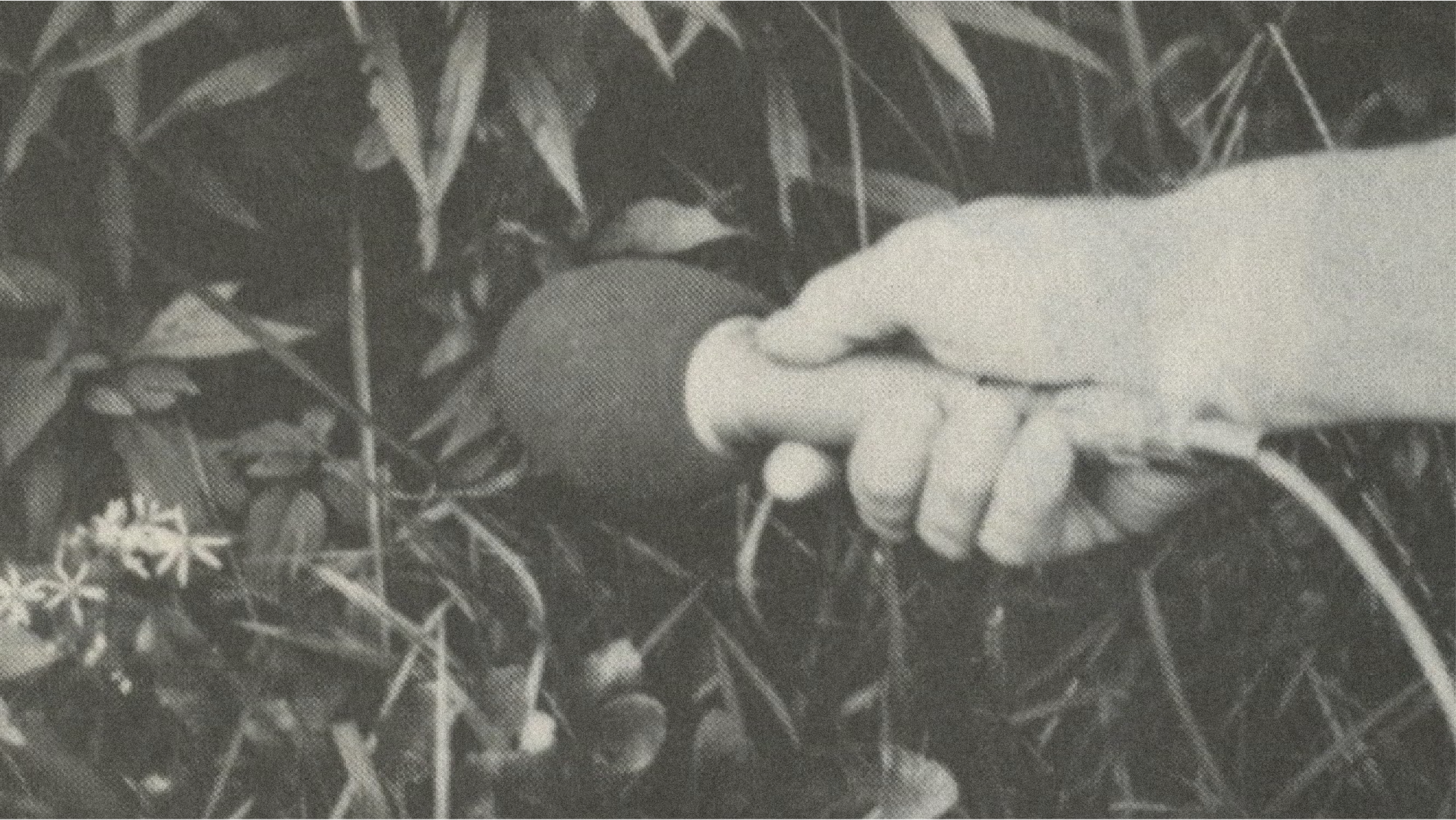
Simply listen. Source: a.rena
A very lull week
Having finished our RPO, it was time to get back into the making, the experimentation. After nearly one to two weeks of not making, getting back into the groove felt difficult. I felt a bit lost and, frankly, unmotivated to do anything. I guess this is what happens when the flow of things stops – getting back into it is tough.
Looking back at what I've done:
Experiment 1:
An attempt to understand spatial acoustics.
How can I understand and distort surrounding noise in my own way?
Experiment 2:
Trying to detect and pick up radio waves. Unfortunately, that didn't turn out so well…
I might not pursue this further, as I don't see
much point in expanding it. It was a fun experiment though; an attempt to feel and listen to the invisible waves around me. Despite it not working out, it pushed me to think about the various sounds present in our environment, beyond the apparent sounds we typically hear.
Experiment 3:
Trying to feel more connected to the environment by zooming into little acoustics—the tiny sounds in our daily lives. So far, I'm exploring different objects and materials to create these tiny sounds.
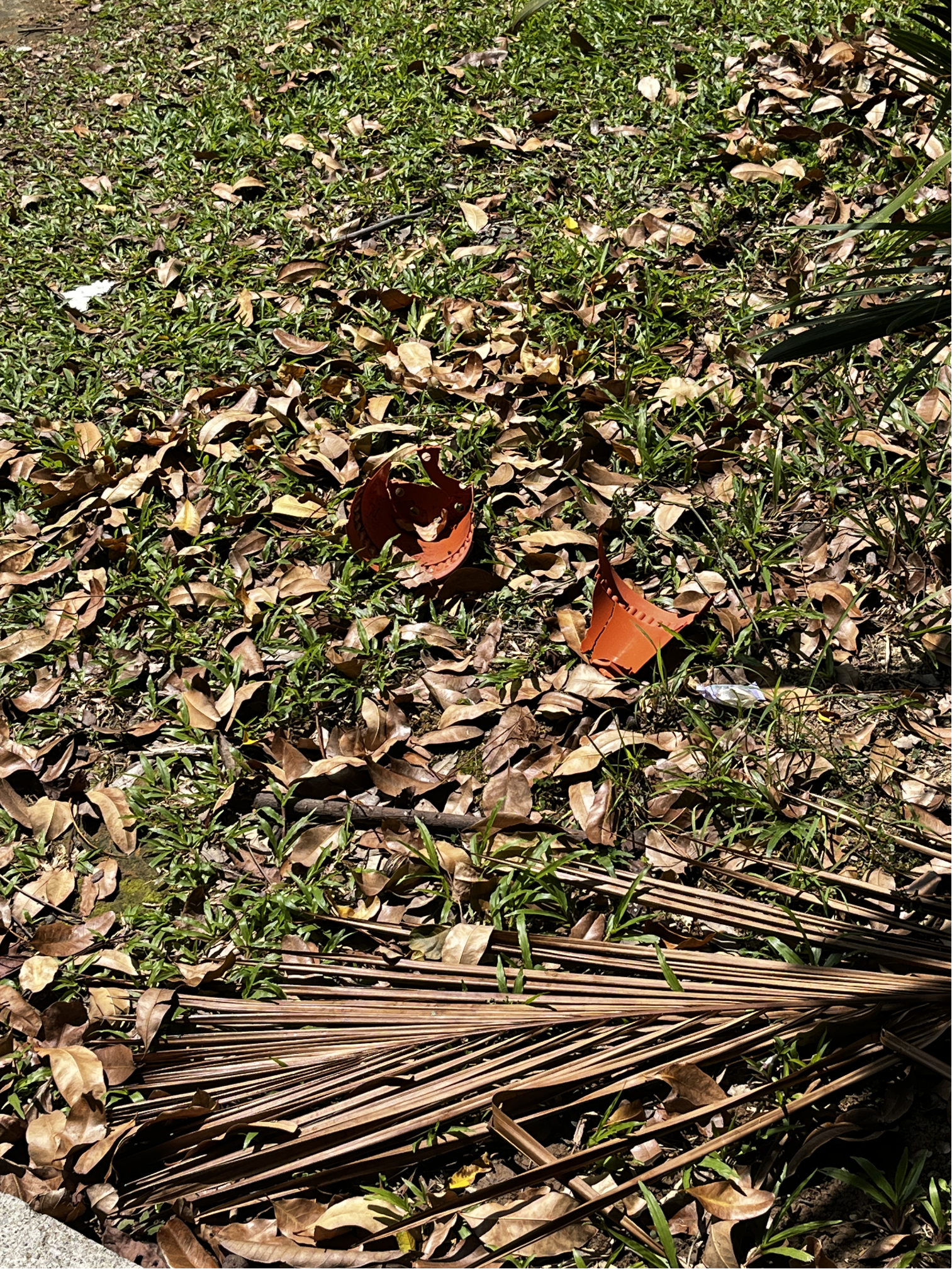
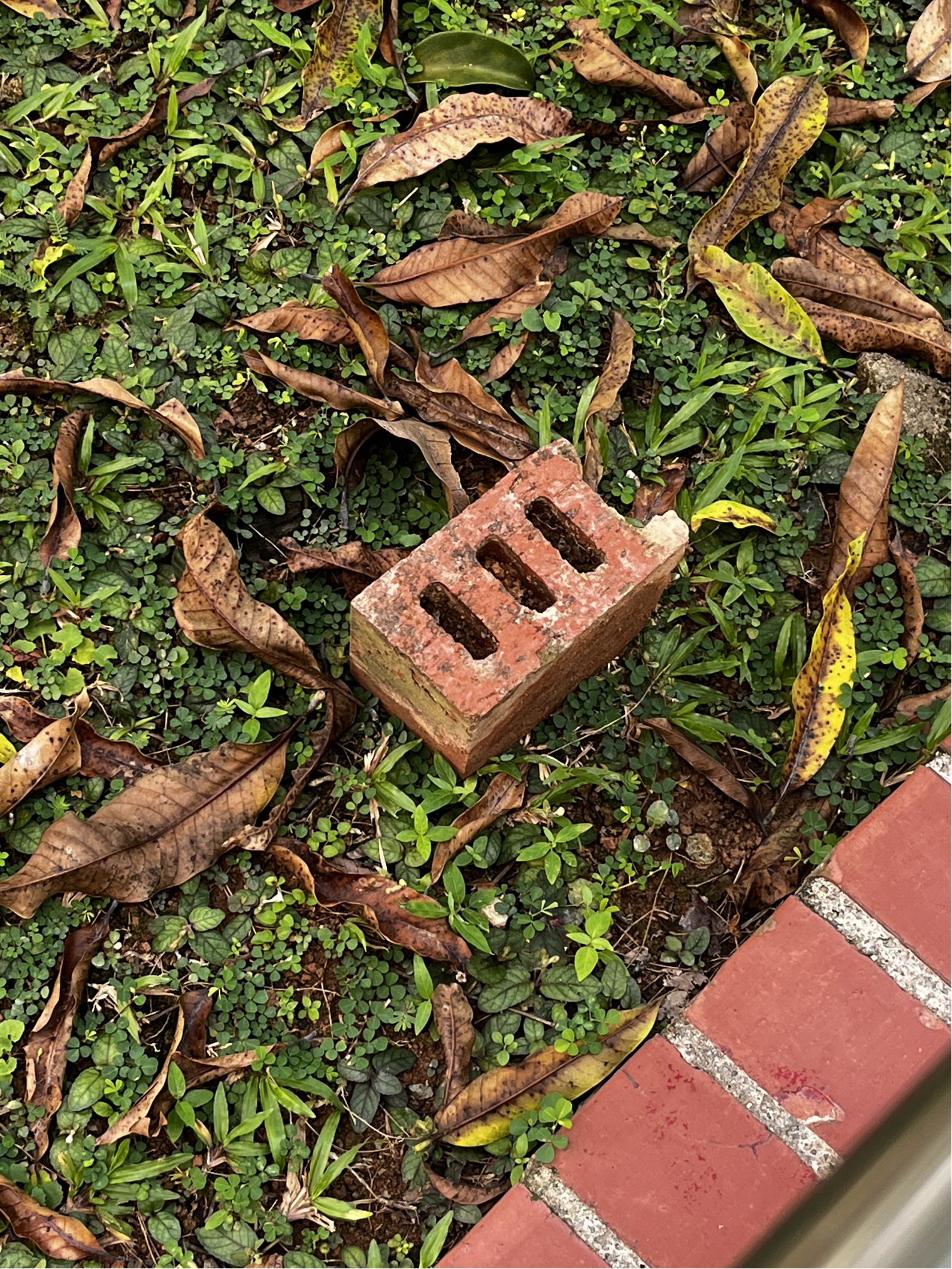
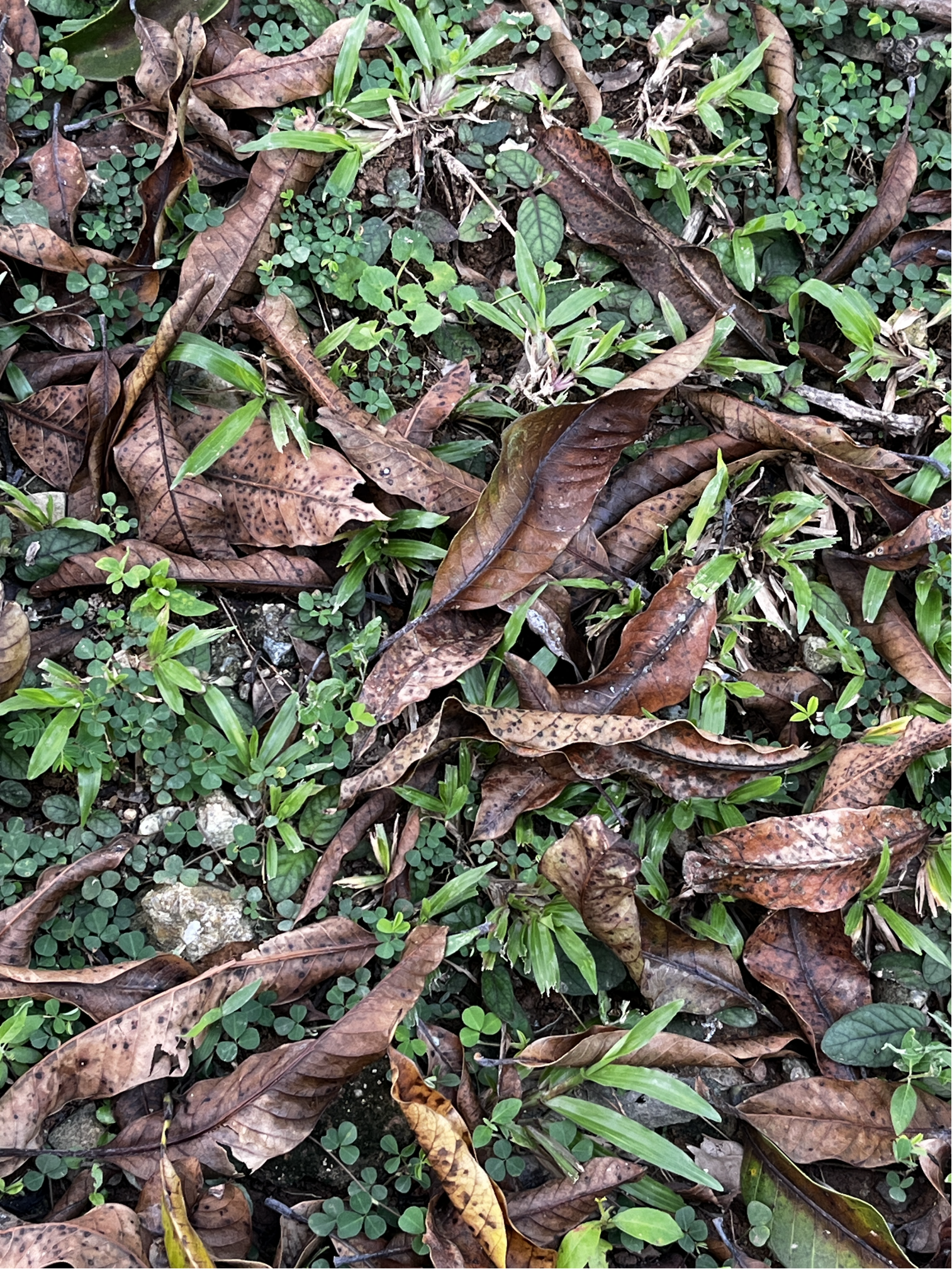
Looking at things I can use as “gears” and “noise makers”
Nothing to see here, just things I’ve been eyeing that I can use to make sound with… leaves, pebbles, stones, branches, maybe?
Reviewing RPO feedback
This week, I also sat down with Andreas to review his feedback about my RPO. There were quite a few things to elaborate on and tweak. He pointed out that I used the terms “surroundings” and “environment” interchangeably throughout my writing, which may cause confusion. Though they may seem similar, they have different meanings – "surroundings" is what we experience immediately in close proximity, whereas "environment" implies a broader, more encompassing context. He suggested I pick one term and stick to it, to maintain a consistent language structure throughout my RPO.
Besides that, there were some flaws in my contextual framing. I mentioned that my project aims to reconnect us with our environments through sound. However, Andreas raised a good question: are we truly disconnected? This assumption that we are disconnected might not be fully accurate; without any context, this claim might be invalid.
I also mentioned how we live in an "increasingly distracted world" these days, losing touch with the way we tune in to our environments. But this too was questionable: what does it really mean to be distracted? And distracted from what, exactly? These are gaps in my framing that I'll need to address more carefully moving forward. Overall, I needed more quotes to back up what I was saying, to make a stronger claim.